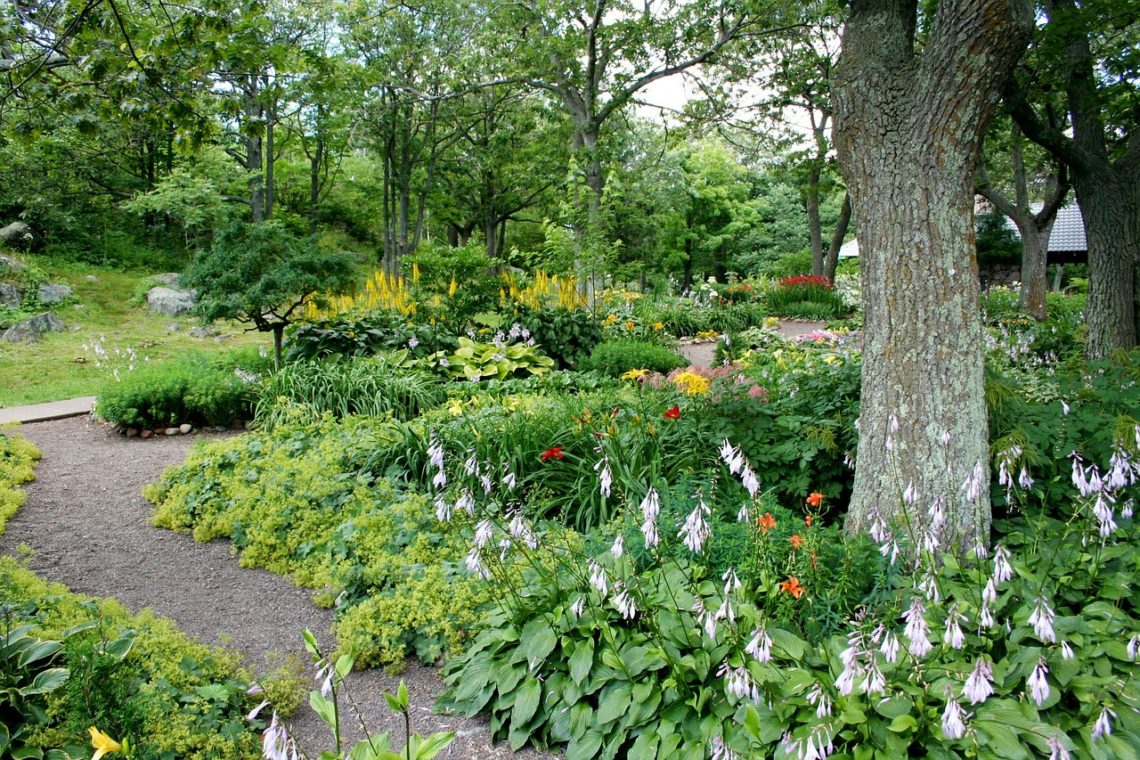
This article was published in the Summer 2008 issue of the Green Living Journal. With suburban sprawl fragmenting and reducing wildlife habitat, what we do in our yards is very important for the survival of wildlife. Suburban yards are usually stripped of most of their topsoil and little concern is given to wildlife when planning a new landscape. The typical yard has a large lawn area with a few ornamental plants providing little ecological value. By landscaping with nature we can provide some of the necessities for wildlife survival, as well as, creating an aesthetically pleasing environment for people. When designing an ecological landscape, the vertical levels should be emphasized…
-
-
Portland’s Urban Food Zoning Code
In June of 2012, Portland City Council made a significant step toward increasing access to healthful, affordable food for all Portlanders by adopting the Urban Food Zoning Code Update. The new regulations address community gardens, farmers markets and market gardens, as well as alternative food distribution methods such as community sponsored agriculture (CSA) and food buying clubs. Because even a small cost can be a barrier for some, this proposal has very little in the way of permit fees, land use reviews and the like. Almost all activities will be allowed outright if standards are met. This action puts Portlanders in position to take advantage of the ideas proposed by…
-
Food Waste is Fodder for Fashion in the Bio-trimmings Project
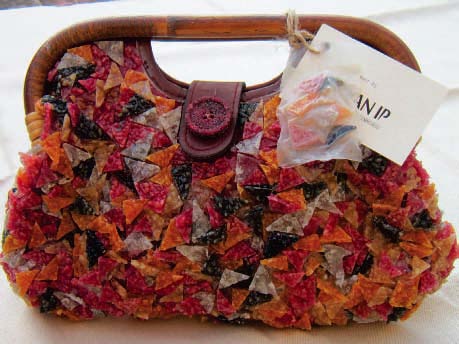
London-based Hoyan Ip, a 2012 MA Fashion graduate, observed that food waste could help offset fashion industry waste. So, she set about using discarded food to make buttons, buckles, and other garment trims. Ip says, “Fashion represents change. Bio-trimmings are unique products that act as an object to educate and make good changes towards both sustainable fashion and ethical living for the future.”
-
5 Unconventional Ways to Cut Home Utility Costs
. For the average American household, monthly utility bills represent a significant chunk of the family budget, usually 5 – 10 percent of monthly expenses. Since utilities are such a big chunk of your expenses, there are probably a number of ways that you can effectively cut your home energy costs each month. While many people may see “going green” as an additional expense, there are a number of green practices that can help you slash your monthly bills. At this point, we all know how to set the thermostat higher when we sleep or leave the house. We know that we can turn the water heater down a little…
-
Spanning the Seasons of the Gorge with Saur Farming
Winter at Saur Farm It’s January, and I have a terrible hankering for some fresh winter greens. The only problem is that I didn’t grow any winter crops in my puny garden this year, and the farmers’ market closed in November. In the back of my mind I remember Ben Saur, one of the owners of 10-Speed Coffee in the Hood River Heights and a local farmer, mentioning he still had carrots back in December. Maybe he still has greens? I stop by the shop to buy a cup of coffee, and ask him what he still has in the field. “Carrots, rutabaga, leeks, collards, and turnips,” Ben says while…
-
Casa Verde CSA Guest Blog by Michelle McGrath, MS Outreach Manager for Gorge Grown Food Network
Abundant sunshine, flowing rivers, and snowy mountains feed into the diverse landscapes of the Columbia River Gorge. With natural resources like these it is no wonder farmers with less acreage and innovative business models are choosing the Gorge as the place to sow their seeds. The agricultural heritage of the Gorge has been preserved in the picturesque orchards that erupt into blossom each April, but a growing number of smaller, diversified farms are springing up in between. I have the immense honor of working closely with these farmers as the Outreach Manager for Gorge Grown Food Network—a food and farm based non-profit organization. Over the winter I checked in with…
-
Farm to School
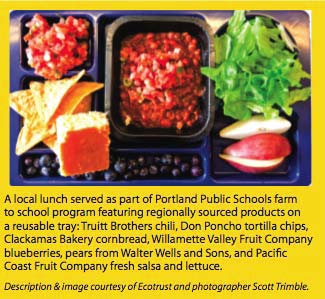
The ABCs of Fresh Food An innovative effort to bring locally-grown foods to Oregon’s school children and to help them understand where their food comes from received a big thumbs-up when the Oregon State Legislature unanimously passed House Bill 2800 in July. HB 2800, aslo known as the “Farm to School and School Gardens” bill provides $200,000 to a pilot program to rev up the provision of Oregon-grown foods and hands-on, garden-based education to public school students. The funds will allow school districts an extra 15-cents per school meal to buy Oregon foods and produce. This is good news for small farmers whose livelihoods depend upon locavore consumption and for…
-
Hoop Houses: Eat from Your Garden Earlier and Longer
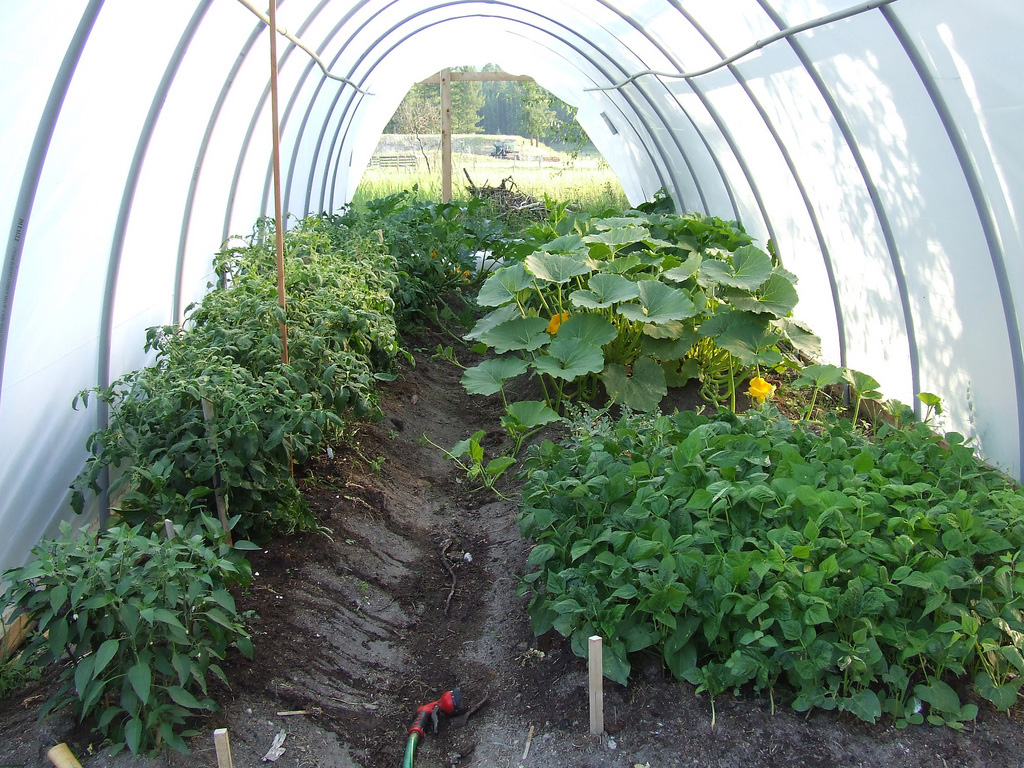
Compiled by Gary Munkhoff Hoop houses are a great do-it-yourself project that can make it possible for you to garden all year long. They can also be used for storage, as a temporary garage, or even as a workshop. They are inexpensive, easy to construct and when completed they also: Add to two months to either end of your growing season. Provide room to set out your plant starts until they can be planted in your garden. Let you grow winter greens, like spinach, all through the winter season. Give tomatoes those over 60 degree warm nights that they need for setting fruit. Protect your plants from wind and frost.…
-
Biodiversity and the Google Menu
This article was originally printed in “Who’s Your Farmer” a guide to eating locally in the Gorge, published by the Gorge Grown Grown Food Network. Google is committed to giving back and broadening our community outreach. We encourage green stewardship practices that support long-term well-being environmentally, economically and socially. With our office located in the agriculturally dense region as the Columbia Gorge, we hope to encourage additional promotion and use of sustainable local farming and business practices that foster biodiversity as well as promote the health of our community’s members. As part of our efforts in this area, the Dalles data center has partnered with Bon Appetit and their Farm to…
-
A Truck Farm Grows in Brooklyn
Leave it to the folks in the Big Apple to give a brand new and very literal meaning to the term “truck farm”. Ian Cheney, Curt Ellis, Carla Fleisher, and Stephanie Bleyer have joined forces to create and promote their “Truck Farm” concept which has a definite “rockin’ and rollin” flavor to it. The idea is simple: take an old Dodge pickup, fill the bed with garden soil, plant the bed with seeds, add water, wait a few weeks, and then drive the growing produce to the customer. You just can’t get any fresher than that. Their idea has taken root right here in Portland (OR) thanks to the efforts…