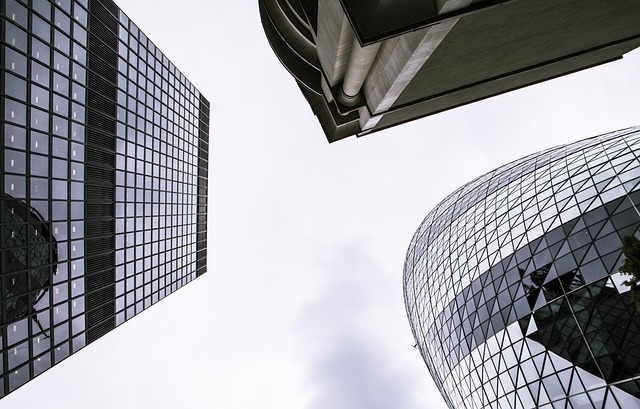
Seemingly minor errors can significantly impact energy consumption and harm the environment. A slight misalignment or an incorrect measurement can have a cascading effect on an entire project. These mistakes require additional work and materials, often resulting in increased emissions. Learn how to avoid the primary environmental consequences of engineering inaccuracies with practical solutions. Heightened Resource Use Reuse, repair and refurbishment can reduce environmental impacts by keeping materials in use longer and avoiding the emissions associated with producing new goods. Reuse that requires minimal repair or alteration provides substantial benefits compared to recycling, which often involves material loss and degradation in quality. Reuse significantly benefits the environment by reducing waste and lowering…
-
-
How Reusable Hardware Reduces Waste in Construction and Manufacturing
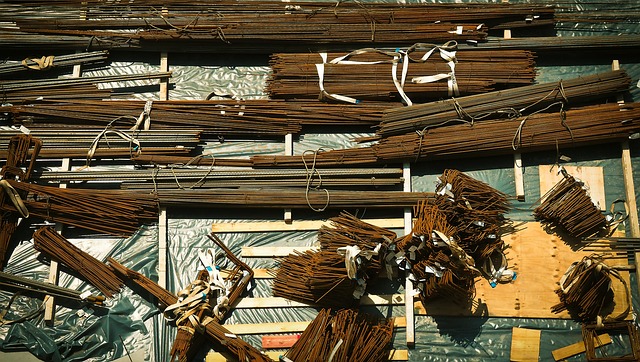
The construction and manufacturing industries tend to measure efficiency in speed and cost. However, they often overlook waste generated through single-use materials. Reusable hardware is a straightforward way to reduce the impact. By using components designed for multiple life cycles, companies can reduce waste, extend material usefulness and lower costs — which benefits the business and environment. This practice also supports a circular economy, where materials remain in circulation instead of going to landfills. Choosing reusable systems is simultaneously an environmental measure and a forward-thinking strategy that protects resources and budgets. What Is Reusable Hardware? Unlike single-use items, reusable hardware allows people to remove, store and purpose it for future…
-
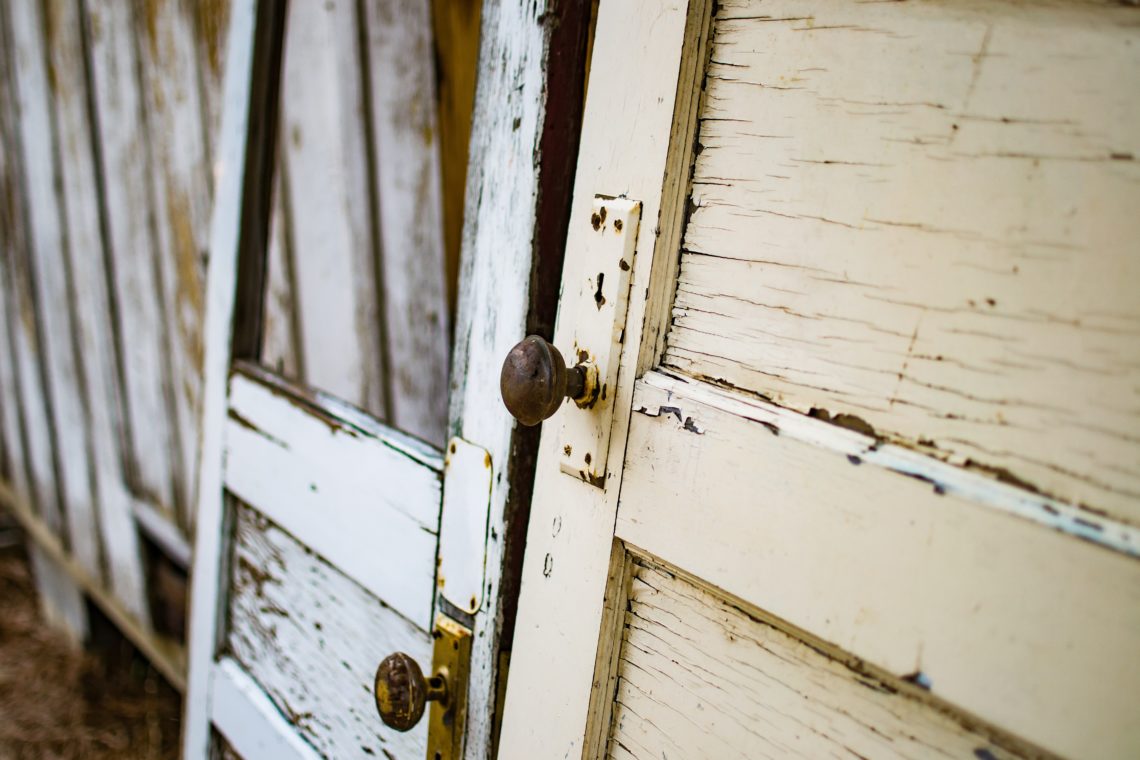
Upcycling Windows & Doors – Urban Gardening Projects
Upcycling — has become increasingly common among city dwellers due to its ease, accessibility and artsy appeal.
-
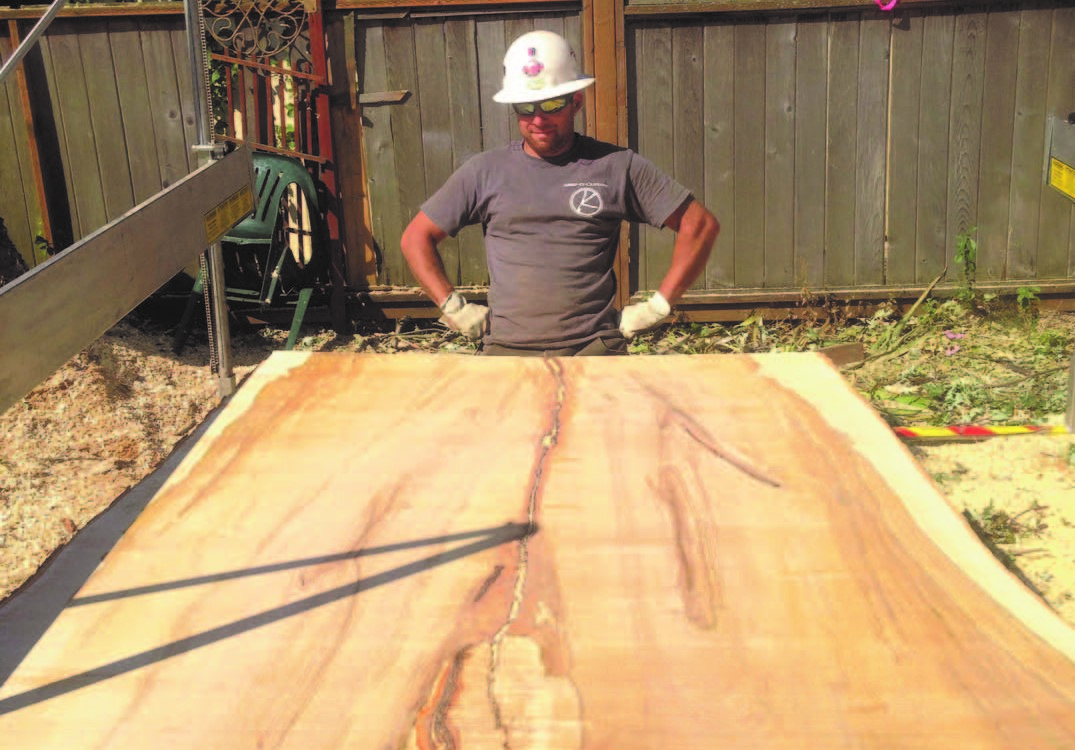
Urban Lumber
Several years ago while renovating a landscape for an older home being flipped by a realtor, my whole thinking about lumber completely changed.
-
The Painted Hills Go Green
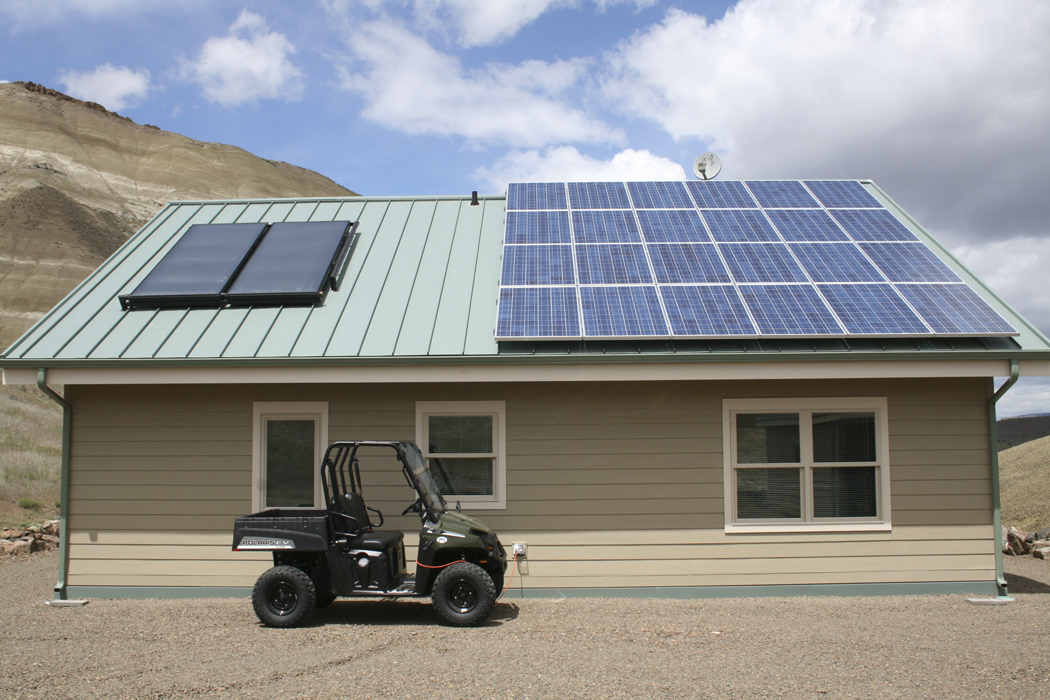
The Park Management Team at John Day Fossil Beds National Monument successfully pursued building an unconventional, state-of-the-art zero-energy home as a replacement for the ranger residence at the remote Painted Hills Unit The goal, which is to make the park’s Painted Hills Unit carbon neutral and energy self sufficient in housing, administration and transportation, was close to being realized with the completion of the new residence. This house, built at a cost comparable to standard construction, not only eliminates utility costs to the ranger in residence, but it also exposed local contractors and the public to a building method far more energy efficient than anything they were familiar with. The…