
I love compost. Specifically, my compost, the product of backyard alchemy. I fuss, fidget, adjust and probably take as much pride in rolling the finished product through my fingers as I do picking the vegetables that grow so healthily in my garden.
-
-
Place-based Education: Connecting Classroom and Community
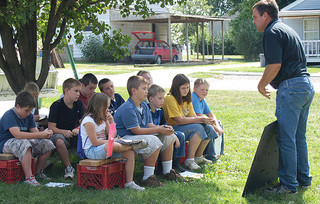
Something’s Happening Here As you stroll down the halls of your neighborhood school at nine o’clock on a Wednesday morning, you notice that something is different. Many of the classrooms are empty; the students are not in their places with bright, shiny faces. Where are they? In the town woodlot, a forester teaches tenth graders to determine which trees should be marked for an upcoming thinning project. Downtown, a group of middle school students are collecting water samples in an urban stream to determine if there’s enough dissolved oxygen to support reintroduced trout. Out through the windows, you can see children sitting on benches writing poems. Down the way, a…
-
The Basics of an Energy Efficient Mortgage
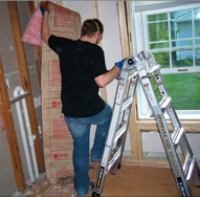
Going green has many benefits. Not only does it lower your impact on the environment, but it could potentially save you money. When it comes to your home, it can be difficult to make your house more energy efficient. Luckily, with an Energy Efficient Mortgage (EEM), you can borrow more money to help you upgrade your home with green technology. Here are just a few upgrades that qualify under an EEM: Alternative heating such as a pellet stove New windows and insulation New roofing technologies Solar Panels for both electricity and hot water heating In order to qualify for an EEM, you must first qualify for a regular mortgage. When…
-
Vancouver Water Resources Education Center
If you haven’t been to this hidden jewel at 4600 SE Columbia Way in Vancouver, put it on your list and visit. It opened its doors in February 1996, in concert with a new, innovative and advanced Marine Park Water Reclamation Facility, but many people have yet to discover it. Their mission: Teach people of all ages how to better care for and make wise decisions about water. They do this with interactive exhibits, aquaria swimming with fish, classroom laboratory, toddler-friendly Puddles Place, inspiring White Sturgeon gallery, natural gardens, wildlife-friendly wetlands and more! Inside and outside, the Water Center is brimming with things for visitors of all ages to do…
-
Fair Trade 101
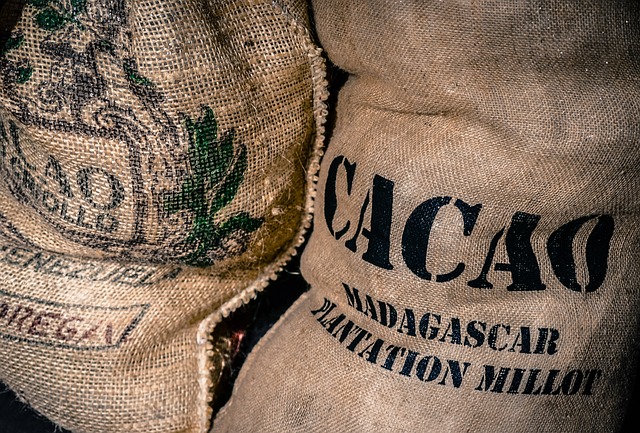
Depending on your perspective, the choices you make as a consumer simply impact yourself, or they impact the lives of hundreds or even thousands of other, mostly impoverished people. The fair trade industry believes the latter is true. It has been harnessing the positive purchasing power of consumers for decades. Fair trade reduces global poverty by improving the social and economic status of marginalized global artisans and agricultural producers by facilitating direct trading relationships that pay a fair price. The growth of fair trade over the last 20 years shows that Americans and the world believe in the fair trade model. In 2011, fair trade sales topped $1.4 billion in…
-
10 Things I Learned While Living Without Running Water
It is much easier than I thought to conserve resources. My wife and I recently endured fifteen days of living without running water while a new well was being drilled on our property. If I was a more conscientious blogger, I suppose I would have chronicled the experience daily, as it unfolded. But the truth is, I couldn’t spend much time at the keyboard during that period. Every time I stopped moving, I felt like Pig-Pen in the Peanuts cartoon, READ MORE
-
Artistic Sculpture in Unfired Earth – Earthen Hand Class
Artistic Sculpture in Unfired Earth – Sept 14th, 10am – 5pm – Portland, Oregon – $75 / day, classes (paid at least 1 week in advance). $30 or less materials/tools. This class explores the infinite artistic possibilities of unfired clay/sand/fiber mixtures. We will use pigments, and a wide variety of techniques to create vastly different effects. Learn how to make earthen plasters, paints, pigments, and construct skeletons to support the sculpture. Class size is limited to 6 people.
-
The Mysteries of Recycling Part II:
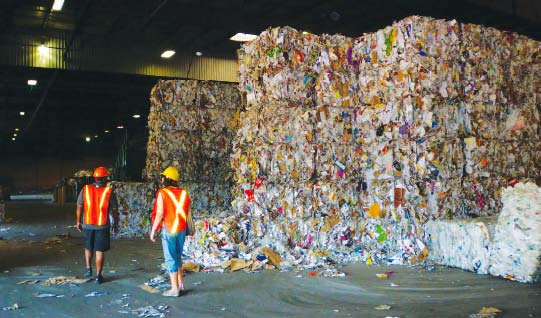
What is 35 miles wide, 35 miles long, and 300 feet deep? Well, according to an article posted on the Popular Mechanics website on November 13, 2008, that is how big the landfill would be if America put all of its garbage for the next 1000 years in one place.
-
Landscaping for Wildlife
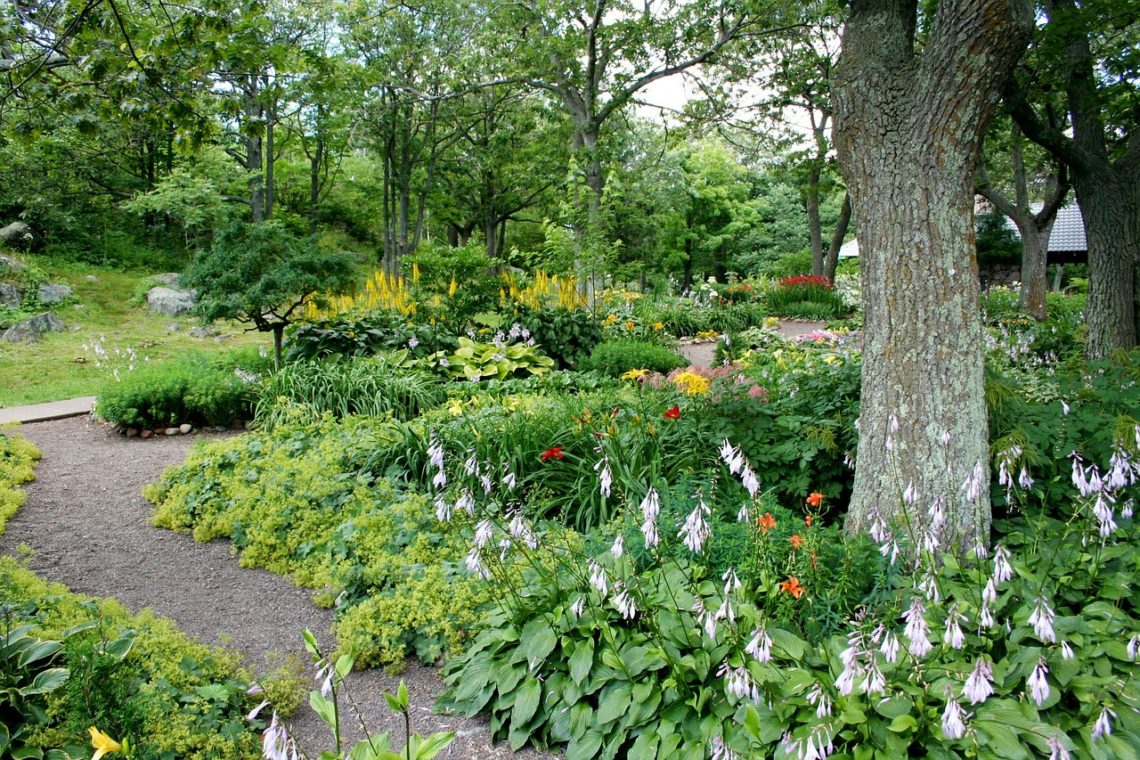
This article was published in the Summer 2008 issue of the Green Living Journal. With suburban sprawl fragmenting and reducing wildlife habitat, what we do in our yards is very important for the survival of wildlife. Suburban yards are usually stripped of most of their topsoil and little concern is given to wildlife when planning a new landscape. The typical yard has a large lawn area with a few ornamental plants providing little ecological value. By landscaping with nature we can provide some of the necessities for wildlife survival, as well as, creating an aesthetically pleasing environment for people. When designing an ecological landscape, the vertical levels should be emphasized…
-
Portland’s Urban Food Zoning Code
In June of 2012, Portland City Council made a significant step toward increasing access to healthful, affordable food for all Portlanders by adopting the Urban Food Zoning Code Update. The new regulations address community gardens, farmers markets and market gardens, as well as alternative food distribution methods such as community sponsored agriculture (CSA) and food buying clubs. Because even a small cost can be a barrier for some, this proposal has very little in the way of permit fees, land use reviews and the like. Almost all activities will be allowed outright if standards are met. This action puts Portlanders in position to take advantage of the ideas proposed by…