
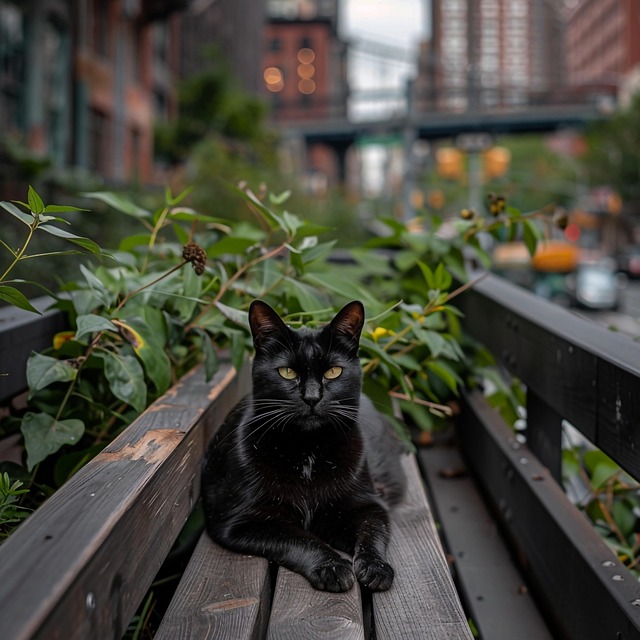
Highly populated areas generate excessive waste. Denser residential and commercial regions lead to more carbon emissions, garbage and other forms of pollution. People who care for the environment should consider urban greenery strategies in their fight against climate change. Learning why urban greenery is important could reveal a new tool to improve the planet, even in the fastest-growing cities.
What Is Urban Greenery?
Urban greenery is any natural element added to cities that feature mostly manufactured structures. Parks, public gardens, plant-filled rooftops and living walls are examples of urban greenery projects. They don’t have to be elaborate works of art to benefit the environment.
Why Is Urban Greenery Important?
Urban greenery is crucial because it addresses numerous aspects of climate change. Local pollinators get more plants to support their part of the food chain, which strengthens the surrounding environment. Adding more plants to spaces generating carbon dioxide could even reduce atmospheric CO2, given how some plants absorb the gas through their leaves.
Green spaces also make residents more comfortable. Towering trees and thick foliage create shade, which more effectively cools surrounding areas. As the planet’s average temperatures rise, people will need lower temperatures to remain comfortable where they live. Keeping cities cool also reduces the heat permeating buildings, lessening the need for HVAC units that consume CO2-generating electricity to cool interior spaces.
Innovative Project Ideas for City Spaces
You don’t need to create a Central Park in your hometown to make an urban greenery space. Get inspired by some popular projects that improve any city’s environmental impact.
Vertical Gardens
Empty plots of land are difficult to find in developed city areas. If you live in a similar environment, consider championing a vertical garden project. With thick, wall-climbing foliage, you can still grow the greenery necessary to reduce CO2 levels and establish shade.
Pocket Parks
Playgrounds don’t always need sprawling properties to benefit a community. Pocket parks use grassy spaces that are less than an acre wide to give kids space to play. They’ll love spending time on a swingset surrounded by newly planted trees and greenery. Play structures using green infrastructure elements also contribute to local environmental health by not adding chemicals to the ecosystem as their materials naturally break down.
Roof Gardens
Cooling a city is easier if you utilize rooftops. Gardens full of potted trees and raised vegetable beds add shade and food resources to any building. Establishing shade where the sun hits each structure also reduces heat’s warming of the roof and walls. People spending time inside the building can enjoy cooler air with less HVAC activity, reducing the property’s electricity-generated carbon footprint.
Potential Challenges for Urban Planners or Volunteers
While urban greenery is essential, people pushing for environmentally friendly projects also encounter some common challenges. Dense urban areas may not have much free space unless deteriorated buildings come down, which costs time and money.
Anyone interested in a public park would also have to consider the annual maintenance fees. A city’s Parks and Recreation Department makes decisions related to park management. Those offices typically have an annual operating budget of around $6.5 million, depending on the size of their city. Paying people for landscaping, pest control and equipment maintenance for public parks would require reworking an existing budget.
Some interested parties might need data on the return on investment. Gauging the amount of CO2 captured by more greenery or the electricity savings generated by shady spaces is challenging. Support or funding may be more difficult to obtain without measurable key metrics.
Who to Contact for Local Support
Numerous people can support your cause. You should contact your local parks and recreation department to see if the staff members are working on projects similar to what you’re picturing. They may be a few steps ahead and welcome your volunteer efforts in making the project successful.
Your local government representatives could also be a crucial form of support. Your mayor and city manager can provide meaningful feedback on where your project might succeed and what funding is available. They’ll have in-depth knowledge of your city’s budget, plus any mandates about new developments, green spaces or climate-related laws.
You’ll also likely need to speak with your city’s urban planners. They work for public and private sectors, so you’ll find them in government offices and privately owned businesses. They’ll connect you with people who know how to handle big projects. They may even have government connections to streamline things like filing permit requests.
Green spaces often need people with plant care expertise. Research shows that 23% of urban spaces experience 95% of insect-induced tree illnesses, likely because fewer predators live in concrete jungles and bugs thrive on the close plants and excess human food in dumpsters. Volunteer or paid gardeners can catch plant diseases before they ruin your green space. Having their support can ensure your project lasts for years.
Fight Climate Change With Urban Greenery Projects
Once people understand why urban greenery is important, turning cities into vibrant spaces filled with plants is much easier. Daydream about how you’d like to see more plants where you live and start contacting the people who can make your project happen. If you find enough support, you’ll fight climate change by making your city a greener urban space.
Beth Rush is the green wellness editor at Body+Mind. She has more than five years of experience writing and editing articles covering topics like sustainable transit and the importance of green spaces in urban planning. You can find Beth on Twitter @bodymindmag. Subscribe to Body+Mind for more posts by Beth!
Image by Nadia Y




One Comment
Pingback: