
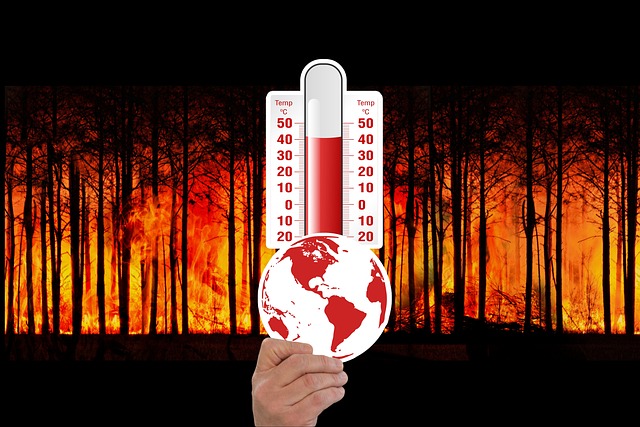
Climate change causes extensive heat waves, which raise wildfire risk by creating a tinderbox environment, increasing the likelihood that a fire will start and the speed at which it can spread. Prolonged heat dries out vegetation, making it more flammable, and heat waves often lead to thunderstorms, where lightning can be a trigger. Because people spend a lot more time outdoors during warm weather, human activity also boosts wildfire risk.
However, there are many proactive ways to avoid wildfires and protect your home and neighborhood.
How to Prepare Your Property for Wildfire Mitigation
Two main factors affect whether your house will ignite or not — its structural condition and the vegetation around it. Regarding wildfire risk, the area around your house is called the home ignition zone (HIZ). To minimize wildfire risk, you must create what’s called “defensible space” in this zone. Defensible space is an area that stops the spread of fire — a buffer zone between your home and a potential fire that’s approaching it.
The HIZ is split into three subzones. The first and most critical is your home itself and the surrounding 0-5 feet of space. Research has shown that most properties destroyed by wildfires are ignited by flying embers before the actual fire reaches them. Embers can travel miles ahead of the fire front.
The key mitigation strategy for this zone immediately around your home is to remove anything that embers could ignite.
- Clean roofs and gutters, removing dead leaves and any other combustible material.
- Repair loose or missing roof tiles to prevent embers from getting through gaps.
- Add metal mesh screening to any vents and to screen off areas below decking.
- Remove any flammable material touching your exterior walls or that’s within 5 feet. This includes plants, mulch, firewood, outdoor furniture and anything else combustible.
- Move vehicles or RVs out of this zone where possible.
- Consider using hardscaping such as gravel or concrete.
The next zone out is the intermediate zone, up to 30 feet from your home. Key considerations here are vegetation and landscaping. You may find this challenging because optimum wildfire mitigation may mean removing or changing landscaping features that you love. However, this doesn’t have to mean no trees, plants, flowers or grass. The idea is to eliminate continuous vegetation surrounding the house. With creative landscaping, you can create little islands of plants and greenery, broken up with areas of non-combustible materials such as rock or cement. Think spacing. These breaks all help with wildfire prevention.
- Trim tree branches to keep them a minimum of 10 feet from other trees or shrubs.
- Don’t forget vertical spacing — remove all branches within 6 feet of the ground.
- Where shrubs are near trees, remove all tree branches up to three times the height of the shrub.
- Regularly remove dead plants and fallen leaves, especially in very dry conditions.
If your property already has an established landscape, making these changes can be difficult and expensive, but even small adjustments made over time can help. For example, don’t replace trees or shrubs that die off naturally — over the long term, this will lower the risk of a wildfire spreading to your home.
You might want to consider planting fire-resistant plants. All plants will burn eventually, but some will withstand fire conditions for longer and can help to slow the spread of fire toward your house. Sedum and stonecrop, for example, are good for ground cover, while shrubs such as lilac, vine maple and flowering currant can shield your property from intense heat.
Finally, you’ll want to address the extended zone, between 30 and 100 feet from your home. Here, the goal isn’t to eliminate fire but to keep flames smaller and interrupt its path. All trees should have at least 12 feet between their canopy tops, and structures like sheds should be kept clear of vegetation.
Wildfire Prevention Through Emergency Planning
Having thoroughly fireproofed your property across all three HIZ areas, the other key thing you can do to protect your home and family is to create your own emergency plan. Should the worst happen, you must evacuate — don’t attempt to stay behind and defend your home.
To stay ahead of a wildfire, be proactive. Assemble grab bags you can take with you if you have to leave, and follow an evacuation plan. If you have children, try to avoid seeming hypervigilant or anxious. Children easily pick up on stressors, especially in emergencies, so practice fire safety in a calm, matter-of-fact way.
- Plan several different ways to escape your house in case some rooms or doors are blocked.
- Learn how to manually operate garage doors or gates without power.
- Maintain at least half a tank of gas in your vehicle at all times.
- Practice the evacuation with all family members, including pets.
- Understand the different routes you can take to get out of the area.
- Know where you’ll go after leaving your house.
- Work with your neighbors to share plans and ideas.
During the heat wave, stay up to date with local alerts and fire regulations. Forewarned is forearmed, so it’s essential to understand what is happening in your own local area.
Staying Fire Safe During a Heat Wave
By proactively clearing the HIZ around your property, you can make a big difference in keeping both your own home and your community safe from wildfire. Heat waves can be dangerous, but the good news is that you still have some control. Stay safe and enjoy the summer.
Jack Shaw is the senior Outdoors writer for Modded, a men’s lifestyle publication. An avid outdoorsman and lover of nature, he’ll often find himself taking retreats out to explore his environment and encourages others to do the same in ways that are sustainable and beneficial to the environment.
Image by Gerd AltmannImage by Gerd Altmann