
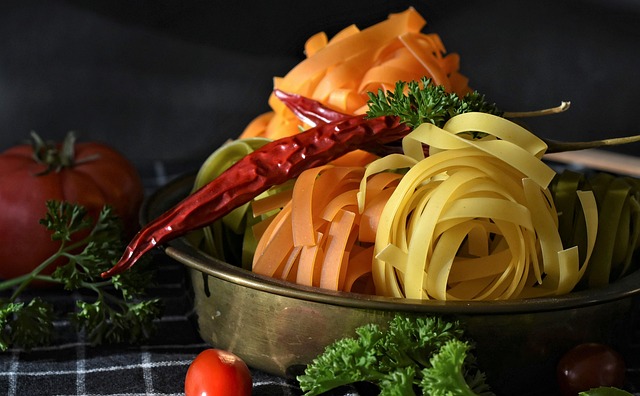
Feeling anxious about the climate can weigh on your mental health and make it hard to see how everyday choices matter. One powerful way to regain your sense of purpose and reduce climate worry is through ownership of the food on your plate.
You might wonder how your food choices can help fight climate change. What you eat and how you buy food can influence your power over the world’s food systems, giving you the power of choice. Discover actionable, research-backed ways to nurture hope and help you manage eco-distress.
What Is Climate Worry and How Does It Affect You?
Climate worry or eco-anxiety is more than ordinary concern. The stress or fear you feel about climate change affects your daily life. In people aged 16 to 25, 56% reported feeling sad, worried, anxious and powerless when considering the climate. A further 78% of people surveyed reported that worries about climate change affected their mental health and day-to-day functioning.
Older adults may experience climate concerns on top of other anxieties. Between 10% and 20% of aging people suffer from anxiety. When this combines with fears of illness and losing independence, it can trigger panic attacks and phobias. Food choices matter because they are actions you can take now.
Simple steps can make solutions feel less abstract and more tangible. For instance, many elder care facilities have food gardens, which help combat environmental stress and boost well-being. You can make a difference starting today.
6 Food-Based Strategies to Build Hope and Climate Impact
Where do you start? Food choices are some of the most direct ways to reduce carbon footprint and calm climate concerns. Use these to become a positive food force.
1. Shift Toward Plant-Based Meals
Plant-based diets have much lower environmental impact than meat-heavy ones. A 2025 study found that plant-based diets are more nutritionally compliant and lower on greenhouse gas emissions than omnivore or meat-based ones.
Eating more fruits and vegetables and less meat ensures you meet your complete macro nutrient requirements while reducing pollution. And you don’t have to go full vegan — even swapping one or two plant-based meals per week helps the planet and shows your choices matter.
2. Support Local Farms or Join a CSA
Buying food locally means fewer transportation emissions and more community benefits. A 2025 survey found that 45% of Americans would consider plant-based diets to reduce greenhouse gas emissions, which means local sustainable farmers would have to pick up the slack if the demand for animal agriculture reduces.
Forming a connection with a local farmers’ market or community-supported agriculture (CSA) initiative can connect you with your food and give you more control. You may also begin following natural rhythms, such as seasonal eating and wasting less food.
3. Grow and Share in a Community Garden
Community gardens offer fresh produce and social connection. A systematic review found that gardening increases fruit and vegetable intake and improves psychosocial well-being by stimulating community cohesion. Caring for plants can reduce anxiety and connect you with nature, helping you feel less isolated and helpless in the face of climate change.
4. Compost or Feed Food Scraps to Animals
Americans waste 30% to 40% of the national food production yearly. When food rots in landfills, it produces methane, a potent greenhouse gas. Ensuring less food wastage can help slow climate change and create a circular economy, where excess food gets used in helpful ways.
Consider composting scraps or saving these for feeding to animals at local parks or farms. Some communities have initiatives that collect food scraps for composting and produce organic fertilizer for urban gardens.
5. Get Involved in Urban Gardening
Turning parks or unused land into urban gardens helps the environment and your community. These green pockets cool the surrounding areas and act as carbon sponges, while producing oxygen and food. However, budgets may be insufficient, with the average city parks division receiving an annual budget of $6.5 million to maintain all green initiatives.
When you volunteer time or share supplies, you make urban gardens possible and meaningful. You also take positive action, which can help you feel less stressed about the world’s changing climate and your food security.
6. Choose Foods That Support Sustainable Farming
Agroforestry and shade-grown crops combine trees with planting to improve soil, restore biodiversity and capture carbon. Choose products with labels indicating they are sourced responsibly without damaging rainforests while avoiding harmful chemicals and pesticides, such as certain coffees and cocoa. Even small purchases can help protect the land for the future.
Other Ways to Reduce Climate Stress Beyond Food
Your choices in what you eat can make a significant difference, but you may also find relief in these ways.
- Connect with others: Climate worries feel lighter when shared. Talk with friends and family, or join a community group focusing on green action. You’re not alone in worrying about what you eat.
- Take action in your community: Attend events, advocate for sustainable food policies and work with local gardens. Collective action turns your fears into motivation and purpose.
- Practice mindfulness: When you feel extra stressed about your role on the planet, try breathing exercises and mindful eating to calm your body and mind.
- Balance your news intake: Stay informed but limit doomscrolling. Instead, focus on solutions and positive change stories. Be part of the solution, without hyperfocusing on the challenges.
- Seek help when necessary: If climate worries interfere with your day, consider talking with a counselor or therapist to help you develop coping strategies to keep you motivated.
How Can Food Choices Help Fight Climate Change?
Climate change is stressful. But your food choices are a powerful place to start with positive change. Eating more plant-based meals, supporting local farms, growing food with neighbors, composting scraps or only buying sustainably produced items can make a difference.
These actions lower your carbon footprint and build hope, community and purpose. When you shift from worry to action, you light the way ahead. Hope is powerful and grows. It starts with what you put on your plate.
Beth Rush is the green wellness editor at Body+Mind. She has more than five years of experience writing and editing articles covering topics like sustainable transit and the importance of green spaces in urban planning. You can find Beth on Twitter @bodymindmag. Subscribe to Body+Mind for more posts by Beth!
Image by -Rita-👩🍳 und 📷 mit ❤





One Comment
Pingback: