Winter at Saur Farm It’s January, and I have a terrible hankering for some fresh winter greens. The only problem is that I didn’t grow any winter crops in my puny garden this year, and the farmers’ market closed in November. In the back of my mind I remember Ben Saur, one of the owners of 10-Speed Coffee in the Hood River Heights and a local farmer, mentioning he still had carrots back in December. Maybe he still has greens? I stop by the shop to buy a cup of coffee, and ask him what he still has in the field. “Carrots, rutabaga, leeks, collards, and turnips,” Ben says while…
-
-
Casa Verde CSA Guest Blog by Michelle McGrath, MS Outreach Manager for Gorge Grown Food Network
Abundant sunshine, flowing rivers, and snowy mountains feed into the diverse landscapes of the Columbia River Gorge. With natural resources like these it is no wonder farmers with less acreage and innovative business models are choosing the Gorge as the place to sow their seeds. The agricultural heritage of the Gorge has been preserved in the picturesque orchards that erupt into blossom each April, but a growing number of smaller, diversified farms are springing up in between. I have the immense honor of working closely with these farmers as the Outreach Manager for Gorge Grown Food Network—a food and farm based non-profit organization. Over the winter I checked in with…
-
History, Habits & Water Bottles
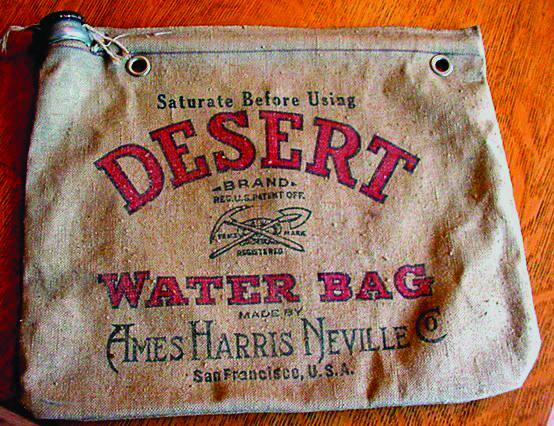
In early 1946 when my dad returned home from the Philippines after the end of WWII, he brought with him a treasure trove of neat stuff to fire the imagination of a seven year old. All the right stuff was there for exploring the empty lots in our Long Island (NY) suburban neighborhood: knapsack, pup tent, canteen and mess kit. But the canteen was far and away my favorite, for with it, I was free to roam far beyond the limits of the “run home for a glass of water” range. This sturdy veteran of “The War” was to be my introduction to a wide array of containers needed to…
-
Pixels vs. Paper
Our publication The Green Living Journal is available both on line and in printed form at 350 locations throughout the Portland-Vancouver metro area. The question of which of the two editions has the least impact on our environment is of constant concern to us, but the answer is rather elusive and often determined by who does the research. What makes for interesting reading are some of the bullets that the different sources put forth in order to support their particular position. From International Paper’s latest newsletter we learned that: “On average it takes 500 kilowatt-hours of electricity to produce 440 lbs. of paper, the typical amount of paper each of…