
Toothpaste is one of the most routine products people use every day. Despite its familiarity, few people stop to think about what’s inside the tube or how it affects their personal health and the environment. The debate between chemical and natural toothpastes has intensified as consumers become increasingly aware of the ingredients. What Is the Difference Between Chemical and Natural Toothpaste? Chemical toothpaste generally refers to conventional formulas made with synthetic or laboratory-produced ingredients. These products commonly include fluoride, sodium lauryl sulfate, artificial flavorings, preservatives and whitening agents designed to maximize cavity prevention and shelf stability. Natural toothpaste typically avoids synthetic detergents, artificial dyes and strong preservatives. Instead, it relies…
-
-
10 Milk Alternatives You Can Make at Home — and 3 You Can’t
The dairy aisle has transformed in recent years. Instead of a shelf dedicated to cows’ milk, the coolers now share space with a diverse range of plant-based alternatives competing for attention. Many people are prioritizing wellness and environmental sustainability. If you are looking to take this commitment further, making plant milk at home offers additional advantages. Consider these 10 alternatives you can make yourself that are good for you and the planet. Benefits of DIYing Your Dairy Making dairy substitutes at home allows you to control what goes into your milk, cutting out potential preservatives and stabilizers that manufacturers add to address processing challenges like separation and texture stability. You can also…
-
Everything You Need to Know About Household Hazardous Waste
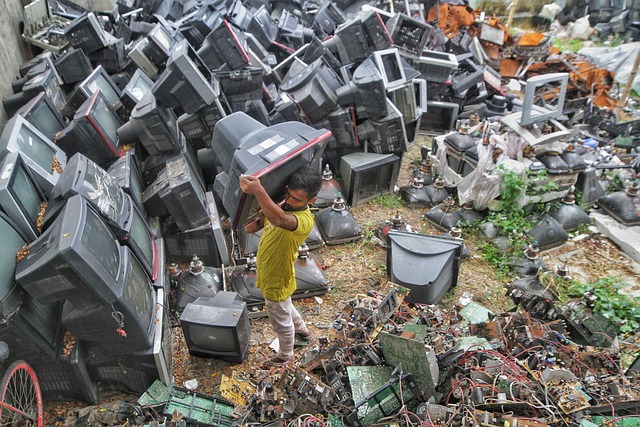
Every householder and garden enthusiast uses products that help maintain clean homes and flourishing gardens — but some of these common items pose hidden risks. Known as household hazardous waste (HHW), these materials can threaten health and the environment if not handled properly. Understanding how to manage hazardous waste is essential for protecting your family and pets. It’s also vital for preventing contamination of soils, groundwater and local ecosystems. What Is Household Hazardous Waste? HHW includes common products that are flammable, corrosive, reactive or toxic, and which require special attention for handling or disposal. For example: These items are dangerous because of their chemical properties. If placed in regular trash…
-
How to Mitigate Increased Wildfire Risk During Climate Change Heat Waves
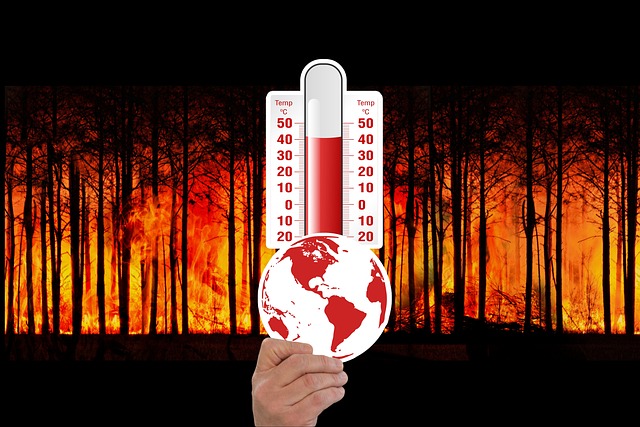
Climate change causes extensive heat waves, which raise wildfire risk by creating a tinderbox environment, increasing the likelihood that a fire will start and the speed at which it can spread. Prolonged heat dries out vegetation, making it more flammable, and heat waves often lead to thunderstorms, where lightning can be a trigger. Because people spend a lot more time outdoors during warm weather, human activity also boosts wildfire risk. However, there are many proactive ways to avoid wildfires and protect your home and neighborhood. How to Prepare Your Property for Wildfire Mitigation Two main factors affect whether your house will ignite or not — its structural condition and the…
-
The Environmental Impact of Asbestos: Why It Matters to Homeowners
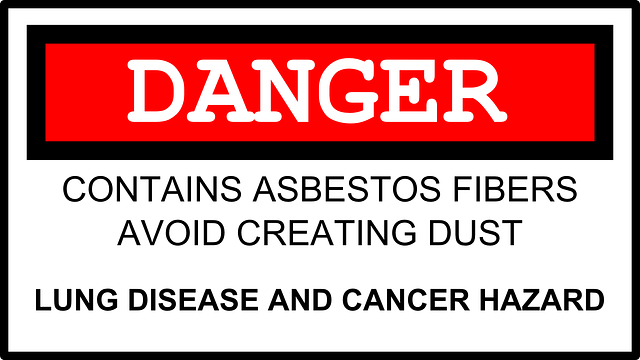
Asbestos’s reputation as a health hazard sometimes overshadows its adverse environmental impact. While it’s essential to recognize the safety issues associated with asbestos, it’s also helpful to understand its negative impacts on the environment. Learn five reasons why homeowners should be concerned about asbestos below. 1. Maintaining Safe Air Quality Levels Asbestos was a popular building material until the early 1980s due to its insulating and fireproofing properties. If you live in a house built before 1990, it may have components harboring this carcinogen. Residing in a property containing asbestos doesn’t necessarily put you in danger. Disturbing any construction product made with it does. Doing so may release asbestos fibers into the air,…
-
Eco-Friendly Ways to Remove Mold for a Healthy Home
Finding household mold does not mean your home is dirty. Mold is a common problem in many homes with restricted airflow, often resulting in humid conditions that encourage dampness. If you have a basement, for example, finding mold patches is common, and bathrooms can also be a breeding ground for mold. What Is Mold? Mold includes all microscopic fungi species, and it releases spores that drift through the air until they find a damp spot to land to survive. It makes no difference what damp surface mold finds — it is as comfortable growing on food, paper, wood, carpet and plastics as on your household walls. If you see mold in your home,…
-
Indoor Air Quality: 6 Natural Ways to Purify Your Home Environment
Spending time indoors invokes a sense of calm, urging homeowners to unwind from the stress out in the world. Make your home a true sanctuary by prioritizing your indoor air quality. There are various sources of indoor air pollution, such as building materials or smoking habits. Preventive methods like only smoking outdoors can minimize these contaminants, but there may still be existing chemicals from unknown sources. Start by testing the air quality in your home, either by using a DIY kit or calling in a professional. From there, you can work toward naturally purifying your home atmosphere using six methods. 1. Keep the Space Clean One of the best ways…
-
How Climate Disasters are Changing the State of Public Health
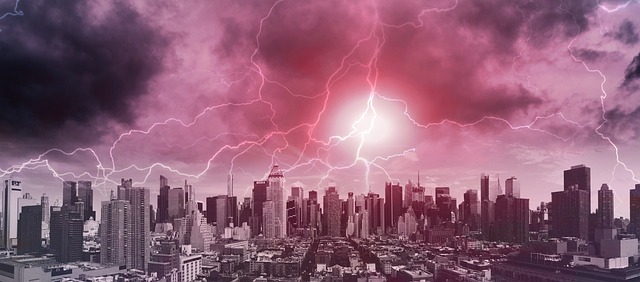
Climate disasters are intensifying, putting the health of millions at a greater risk. This year’s summer mantled the United States with dangerous heat levels for several days. Weather maps were splotched with red tints because of extreme heatwave alerts. After summer, the country is experiencing another natural disaster as Hurricane Milton slammed into Florida’s coastlines. This Category 3 calamity carries strong tornadoes, fierce winds, and flooding rains that devastate thousands of people. What are the implications of these worsening weather tragedies for public health? Is this a wake-up call for immediate action toward improving environmental conditions? Climate Disasters Are a Serious Health Threat Over the years, people have experienced firsthand…
-
The Dangers of Outdoor Domestic Cats on Local Ecosystems
Some cats love going outside and exploring the wilderness. While owners may indulge their kitty’s curiosity, it might not be conducive to the environment. Outdoor domestic cats can significantly affect local ecosystems by disrupting animal populations and food chains. Conversely, the environment could negatively impact the cats. Here’s what you need to know about the outdoors and feline friends. How Outdoor Domestic Cats Impact Local Ecosystems While one or two cats might seem inconsequential, the ramifications can be severe if outdoor pets roam during the day. If you have a lot of land, you might not be able to see the damage your feline does to local ecosystems. Consider the…
-
How to Protect Your Skin From Pollutants and Environmental Damage
Skin health is constantly threatened by various environmental factors, from harmful ultraviolet rays to city smog and industrial contaminants. Poor air quality is a significant culprit in painful breakouts, infections, aging, and dullness, leaving many questioning how to take care of their skin in pollution. A comprehensive skincare routine is your best defense against environmental aggressors. Coupled with today’s wide-ranging natural products for a clearer complexion, you aren’t lacking options for quality treatments. Here’s what you need to know about protecting your skin from harmful air pollution and rejuvenating it to its former radiance. Environmental Effects on Skin Health Research continues to underscore the harmful dermatological effects of pollution. For…