
How to Use What You Already Have As someone who wastes an extraordinary amount of food, The Earth Day celebration during a pandemic and economic uncertainty has me changing my ways. No more pretending “cleaning out the fridge” every two weeks doesn’t impact others and the natural world we share. My love of food and the joy of cooking leads me to make frequent complicated meals while living alone. My raccoon-like interest in the next shiny thing kept leftovers I’d already eaten a few times in the back of the fridge. Even if I did want some of that marvelous vegetable lasagne, I wasn’t sure if it was safe to…
-
-
Native Plants in the Pacific NW
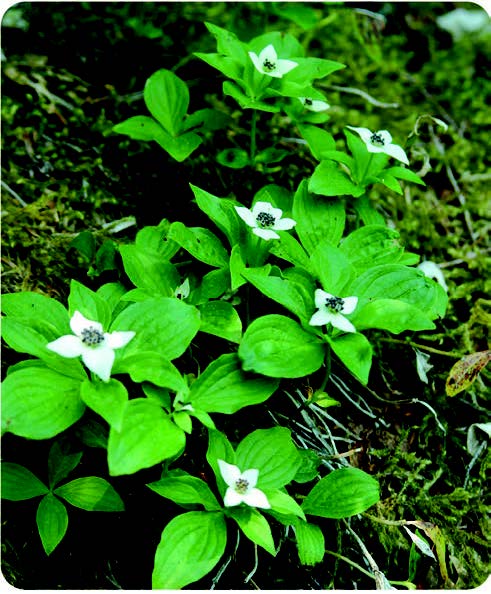
& How You Can Incorporate Them Into Your Garden The last twenty years have seen a growing interest in gardening with native plants. The term “native” has several meanings, depending upon the context. “Native” is used to mean a plant species that has been in a specific region for hundreds of thousands of years and continues to be present in the landscape. Dinosaurs were surrounded by Araucaria, known today as Monkey Puzzle trees, and other conifer species; ferns, rhododendrons, and horsetail. So, these plants may be as old as 135- 180 million years. It doesn’t get more native than that. Another definition of “native” plants is that the species has…
-
Why You Should Consider Keeping a Garden Planner & Journal
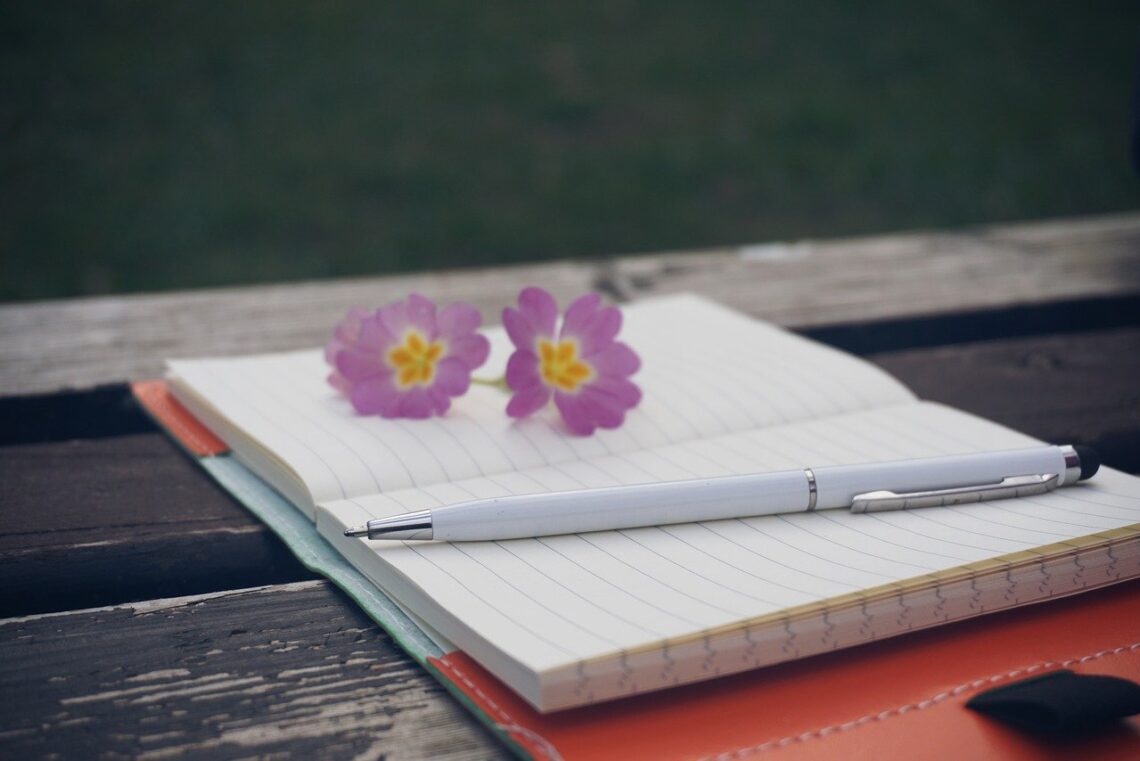
Whether you have a container garden on your patio or a 4000 sq. foot garden like me keeping a garden planner and journal is one of the best investments you can make. At least, that’s what all the experts say. I have a confession: I have failed miserably at this important task. I have tried all kinds of planners: purchased and self-made, simple and complex, paper, and digital. But usually around June, I have abandoned my efforts to keep records. In the dark days of winter, I lament my absence of notes, relying on my mid-life brain to recall things that quite frankly, it can’t. But this year is different:…
-
How to Compost in Your Apartment
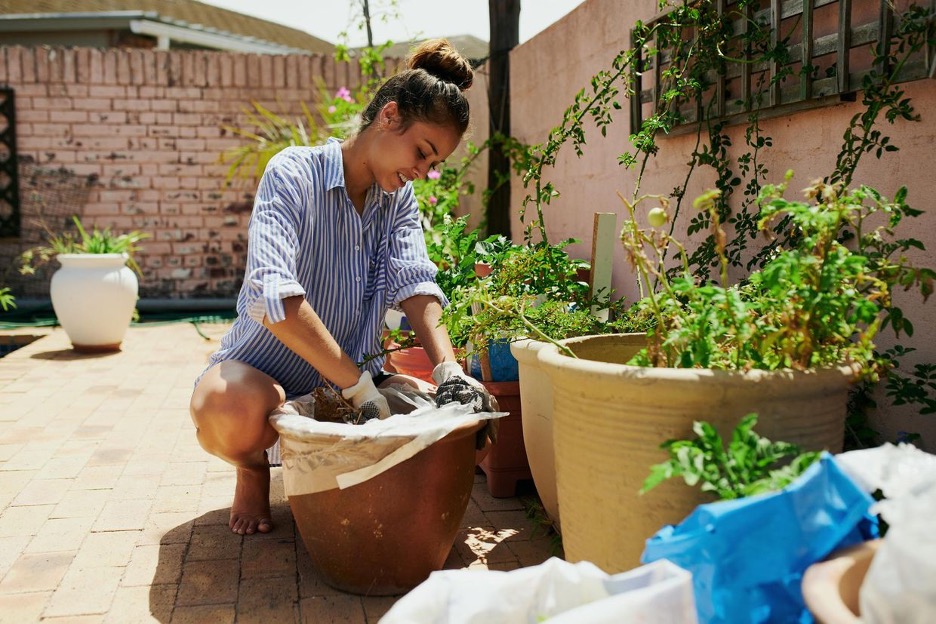
While tossing orange peels and coffee grounds in the garbage might seem inconsequential, sending food waste to landfills has a real impact on climate change. When trapped without air, decomposing food in landfills produces methane: a greenhouse gas that’s at least 80 times more powerful than carbon dioxide in the short term. As much as we try to cut down on food waste in our kitchens, there will always be leftover banana peels, apple cores and other things that can’t be used – much of which can be diverted from landfills by composting. Composting recycles organic material and allows for the natural processes that decompose food, yard waste and other organics to create a nutrient-rich, natural fertilizer. Compost piles heat up…
-
Northwest VEG Scavenger Hunt
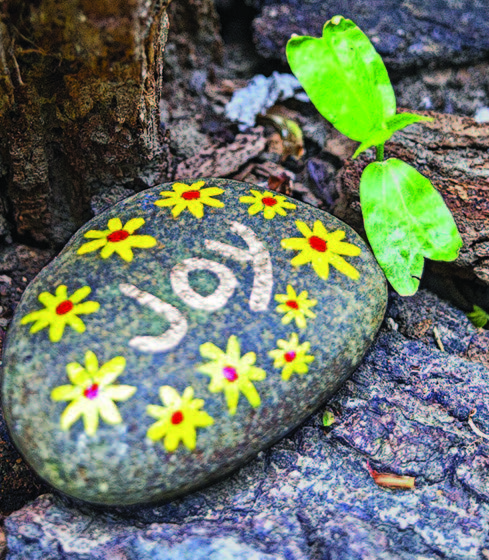
Don’t miss the Rock n’ Revelry on August 14th Tis the season for an outdoor scavenger hunt! On Saturday, August 14th, traverse your favorite part of Portland in search of 50+ painted rocks. When you find a treasure, flip over the rock to scan the QR code and learn from what local shop or restaurant you’ve won a small goodie. Ranging from a free appetizer to a $5 gift card to fun bumper stickers, all prizes are from your favorite veg-friendly places around town. Everyone is welcome and encouraged to join in the fun. This event is sponsored by Northwest VEG, and we would love your help jazzing up our…
-
Noble Grove Farms Expands
Golden Roots Bokashi has partnered with a local builder and engineer to expand operations in the Gorge! As a result, They’ve moved into new farm space. They will be producing additional earth-friendly products aimed at healing the soil and empowering growers- from backyard enthusiasts to career orchardists, farmers, and ranchers. With refreshed branding, they’ll be providing the same Bokashi, Soil Amendments (and more!), under the new name of Noble Grove Farms, LLC. Available at www.azurestandard.com
-
Nichols Garden Nursery has Moved
After seventy years, Nichols Garden Nursery has moved from Millersburg on the outskirts of Albany to Philomath, Oregon, on Highway 20/34 across from the Philomath Museum. While Nichols Garden Nursery is primarily a mail-order garden seed company, visitors are always welcome. In addition to the physical relocation, Nichols’ online store has been updated for a better customer experience. The improved website should run faster and smoother. This family business is now in its third generation. New Address 1136 Main St. Philomath, OR 97370 New Mail Address PO Box 1299 Philomath, OR 97370 For more info: nicholsgardennursery.com
-
SALMON CREEK FARMERS MARKET 2021 NEW LOCATION!
The Salmon Creek Farmers’ Market will open its Tuesday market on the southeast side of Kaiser Permanente’s parking lot at 14406 NE 20th Avenue in Salmon Creek. Starting Tuesday, June 8, the market will be open from 11 a.m. to 3 p.m. The Salmon Creek farmers’ market has been a favorite within the community for the last ten years by continuing to offer seasonal fruits and vegetables, flowers, honey, processed foods, including freshly made fruit juices, nuts, and nut butters, bagels, baked goods and more – all from producers and growers local to Clark County. The Salmon Creek market warmly accepts SNAP customers and offers an up to $40 Market…
-
Recycling in the Garden
If you are reading the Green Living Journal, you probably are committed to protecting the earth and reducing your drain on its plentiful resources. But the term “recycling” in the garden environment is often overlooked by mindful gardeners. Your garden is the most precious and vulnerable area you can impact and has all of the basics from which other recycling concepts arise. Consider: “they” are not importing atoms from Mars, or any farther planet, according to NASA. The particles that make up every rock, animal, plant, fungus, bacteria, or other earth forms—living or inanimate—were here at the creation of the planet. Our natural world is the simplest form of recycling.…
-
Herbs Are Native, Too
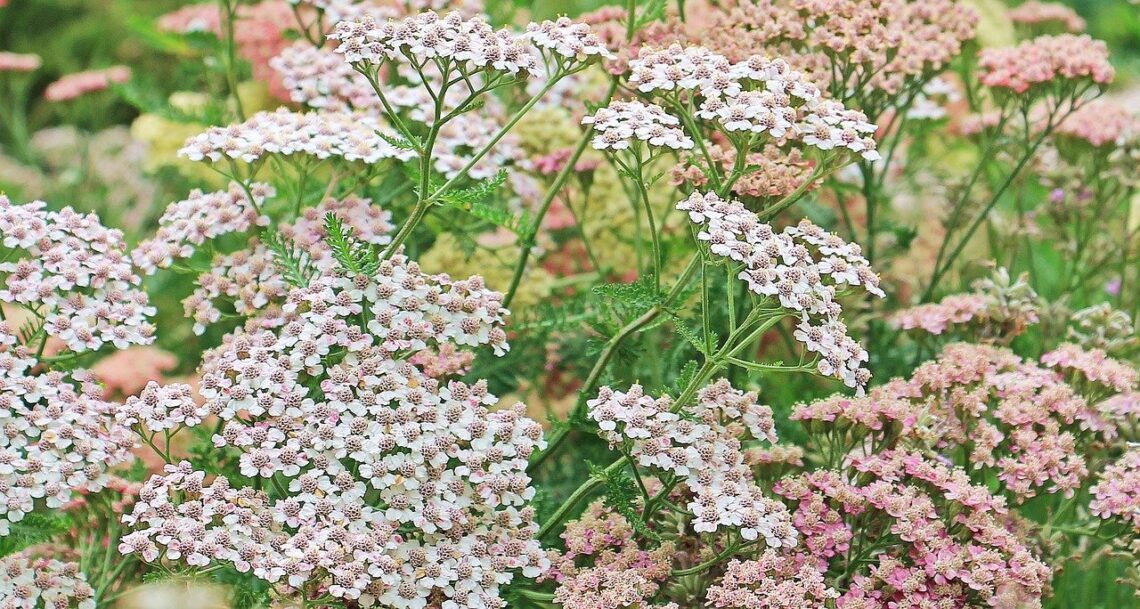
Most of the herbs we grow or harvest are native somewhere. Many of them have Mediterranean backgrounds, but many more began in the woods and prairies nearer to home and were here before Europeans arrived. Some native plants are still foraged in their natural settings for personal use. Others have been domesticated, which we plant in our herb beds. Indigenous peoples were well acquainted with these native plants and used them for cooking, healing, and general well-being. Let’s dive into some native plants! Yarrow – Achillea millefolium This native plant is not only found in the woods, where it may come in handy when camping or hiking but is often found…