Fruit kvass is a fermented drink that is quick and easy to make, loaded with digestive enzymes and probiotics, and inexpensive to create. For tens of thousands of years, our ancestors ate real meats, fruits, vegetables, nuts, grains, fats, oils, fish, and fermented foods. As fermentation was their only method of preserving fresh foods for future ingestion, these particular items were probably eaten daily. Our gut biome depended upon them. Fermented foods not only give us enzymes that will help us to digest our meals and probiotics to keep us well, but they make the vitamins and minerals in these foods easier for our bodies to assimilate. Even though we…
-
-
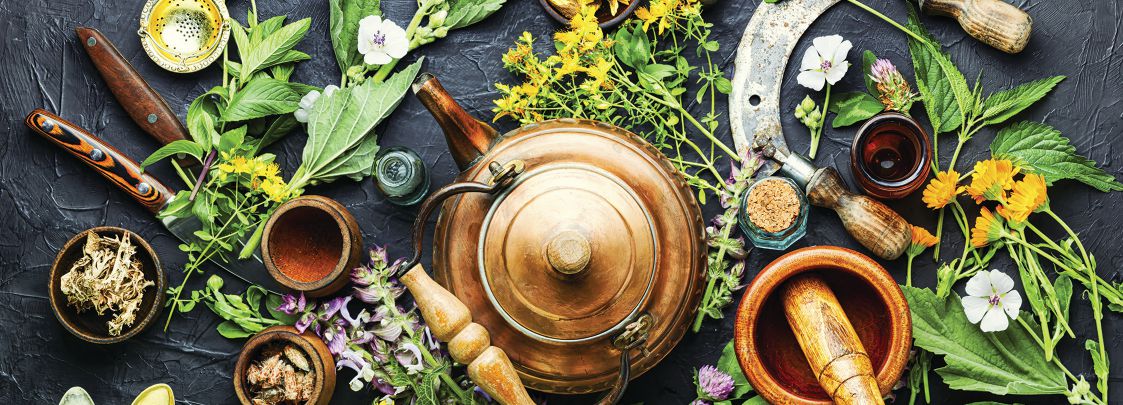
Herbs For A Healthy Home
Strew the herbs; Stir the stew. Family to the hearth; Home is safe and sound. Keep your home safe and clean with these inexpensive and easy-to-make alternatives to store-bought cleaning solutions. The season for staying indoors is coming and that means stale air, insect pests coming inside, and germs flying about. Long ago, herbs were spread, strewn about the castle to sweeten the air, freshen living spaces, and ward off pests. An added bonus was that many herbs also protected family members and guests from bacteria and viruses. Herbs, such as sweet woodruff, catnip, spearmint, and conifer needles were strewn on the floors, hung as swags in rooms, or placed…
-
Build an Herbal Community
In times past, herbalism was a communal practice, especially for women of any group. Traditionally, they were the keepers of the home, midwives, and family healers. Hence, community members came to them when it came to the health and vitality of their families and neighbors. Herbal knowledge was gathered, collected, and held together in circles, where there was support and encouragement to ensure the learning was maintained throughout generations. However, as those who practiced herbal healing were persecuted and separated from their herbal community, the knowledge became isolated. Those who held the knowledge were less apt to share it, so much was not passed on. In the past decade, there…
-
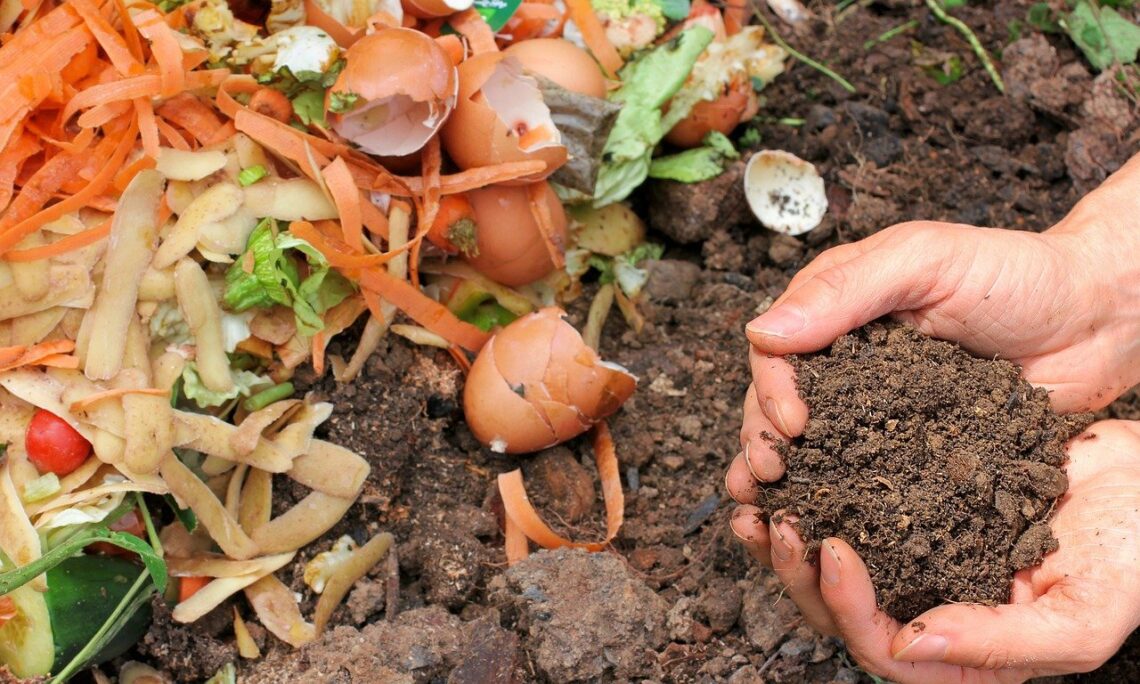
Do You Compost? And Why Not?
With every passing day, it becomes more clear that the planet is in serious danger if we don’t change our approach to protecting the environment. And while most of the onus of this change falls on national governments more so than individuals, there are still some things you can do. There are some major lifestyle changes that everyone should probably make if we are truly going to slow things down. These are things like altering your approach to transport by cutting down on how much you fly, and using public transport instead of driving where possible. It would also be helpful if the entire world stopped eating animal-based products. Aside…
-
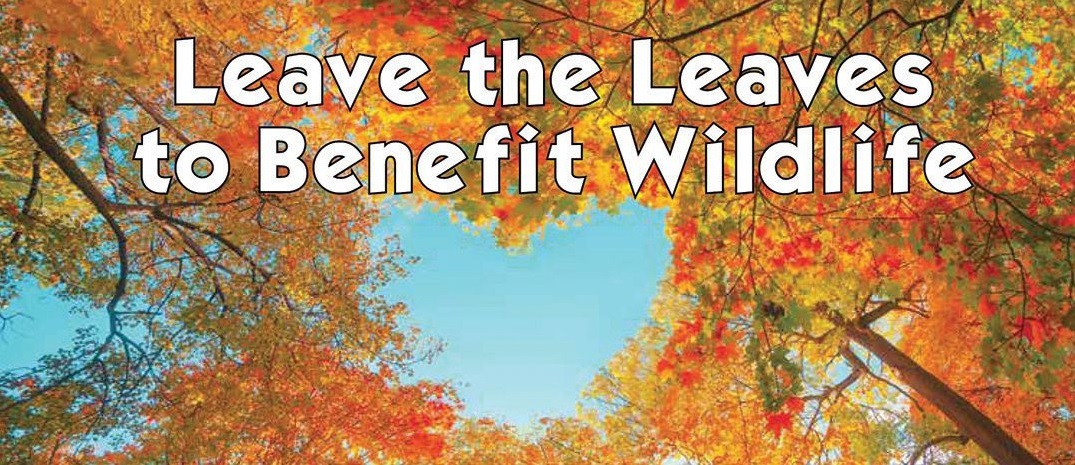
Leave the Leaves
It is fall again, and we have harvested all of our garden produce and are making sure our outside faucets are protected against winter’s freeze. The leaves are changing color and tumbling from the trees—and that means fall cleanup in the yard and garden. For many people fall cleanup means cutting all the seed heads and stems off the flowers and raking up all of the leaves. A tidy garden and yard are what many people strive to achieve. Everything clipped back, leaves raked and removed, messy piles of branches put in the green bin for pick up. This tidiness may look nice to us, but it is not good…
-
Save Our Pollinators
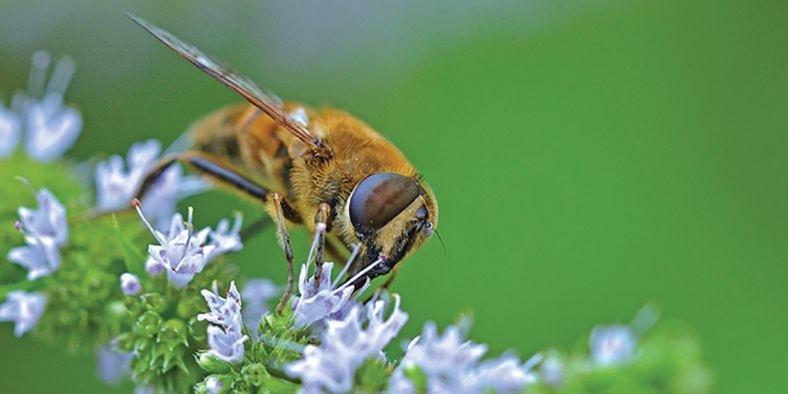
Convert Your Backyard to a Bee Lawn Dear EarthTalk: What is a “pollinator lawn” and how can I make one in my backyard? —Jane W., Westbrook, CT Bees and other pollinators are essential for growing a great deal of nature’s finest foods. These include coffee, chocolate, beans, many fruits including apples, avocados, blueberries, cherries, and peaches, nuts like almonds and cashews, and vegetables such as cauliflower, broccoli, and Brussel’s sprouts, just to name a few. More than 100 U.S.-grown crops rely on pollinators. Small birds and animals also depend on a variety of pollinated wild fruits and seeds to survive. Unfortunately, the populations of bees and other pollinators, including hummingbirds, butterflies,…
-
Cordless Electric Yard Tools
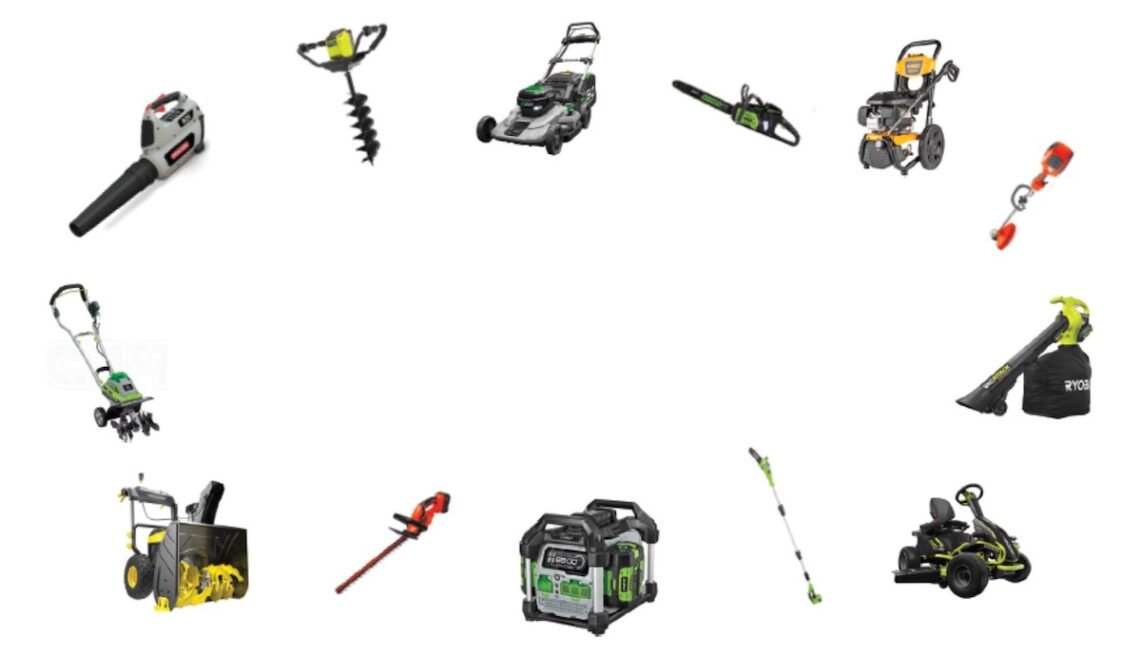
About 6 years ago, we ran an article on switching your gasoline-powered lawn and garden tools to all battery-electric versions, and since then, there have been a lot of changes—time for an update. The first change is in the number of makes and models available today. A Google search for electric yard tools will bring up more than 30 brands, and each brand can have multiple types of tools (lawnmowers, edgers, leaf blowers, etc.), as well as a selection of models for many of the different tools. For instance, walk-behind lawn mowers are available in 14-inch cut to 25-inch cut and as either push or self-propelled. This range of choices…
-
Herbs can be a Green investment
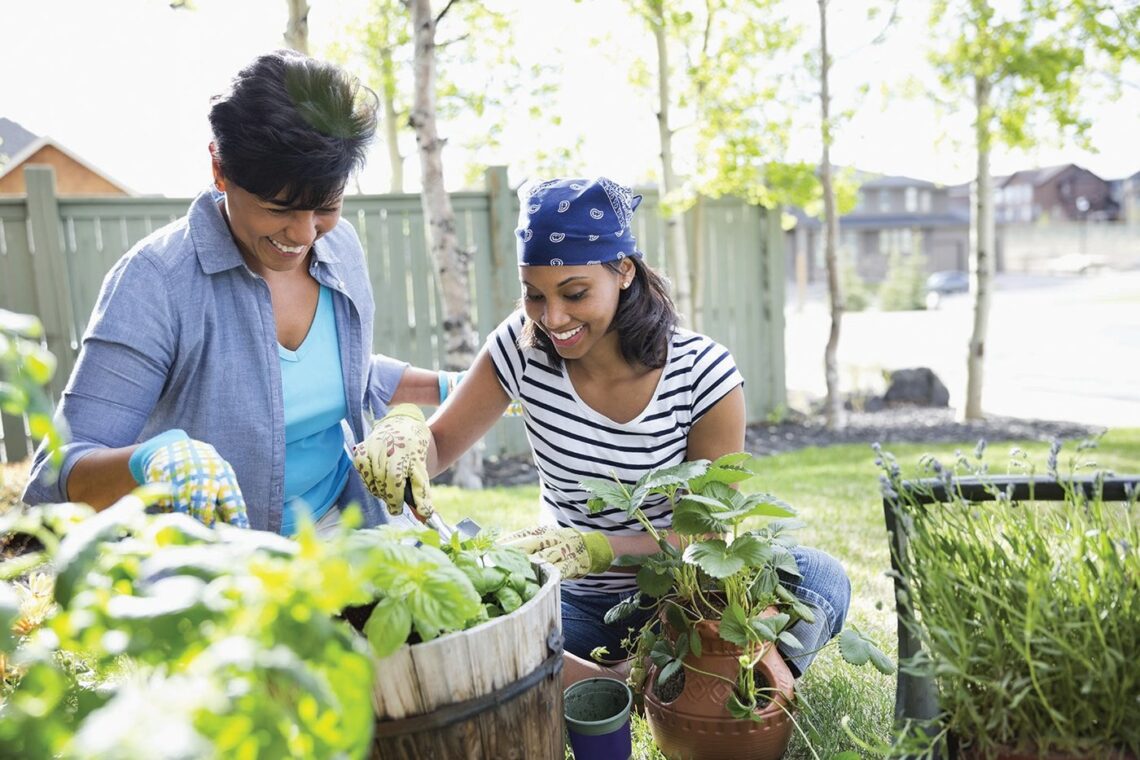
Green investing typically brings to mind backing practices that support sustainable pro-environment practices. What better investment than the green in your garden? Specifically with herbs! Besides having many benefits for people and animals, herbs can be easily grown in all kinds of spaces, even containers. Furthermore, their fragrance, flavor, and fun can only be considered sustainable, definitely pro-environment, and even joyful. Here are some of the benefits of investing in herbs, along with specific ideas for herbs to focus your investing energy on. Culinary We think of herbs as delightful additions to whatever we cook and eat. Fresh or dried herbs bring out tastes from tangy/ spicy to sweet/tart. A…
-
Strong Organic and Non-GMO Sales are “Silver Lining to Catastrophic Dark Clouds” of Pandemic
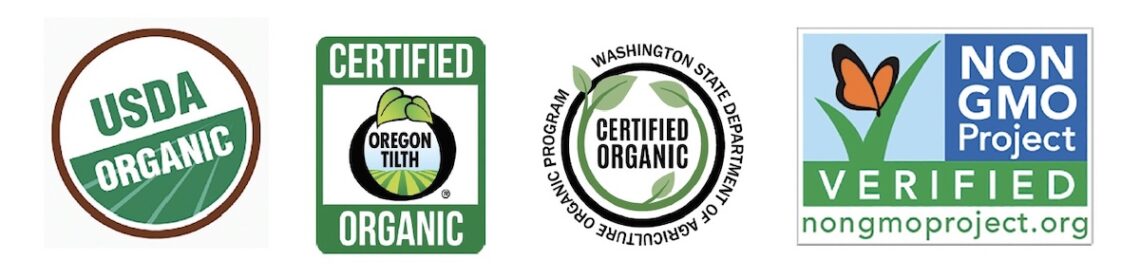
Sales of both organic and non-GMO products have accelerated during the COVID-19 pandemic, according to Errol Schweizer, advisor to the natural food industry and board member of the Non-GMO Project Speaking at the Organic & Non-GMO Forum, Schweizer quoted data from market research firm SPINS, showing that in October 2020, sales of organic products had increased by 13.1% and that sales of non-GMO products were up by 13% over the previous year. These numbers are significant because organic sales had grown by just 3.1% and non-GMO by 0.5% a year earlier. “These are the highest numbers (for organic and non-GMO) that I’ve seen by SPINS in years,” said Schweizer, who…
-
EIGHTH ANNUAL MORROW COUNTY HARVEST FESTIVAL
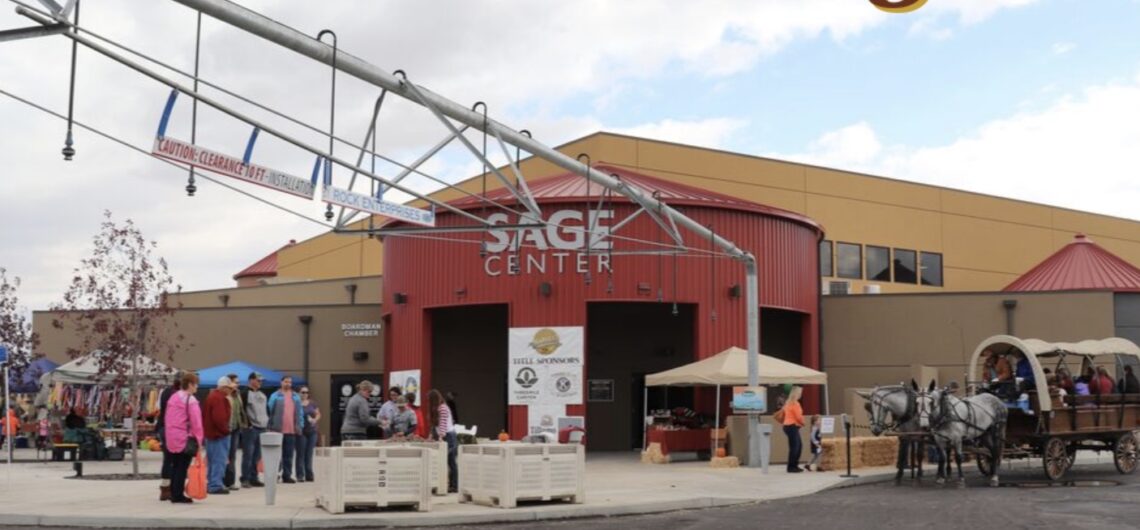
FREE COMMUNITY EVENT CELEBRATING LOCAL ARTISANS, PRODUCE, AND FAMILY FUN October 2, from 10:00 am to 4:00 pm101 Olson Road, Boardman, OR SAVE THE DATE! We’re so glad to be back in any fashion for the 8th annual Morrow County Harvest Festival presented by the SAGE Center. The Morrow County Harvest Festival will be exclusively outdoors. It will feature a variety of vendors with high-quality, regionally produced agricultural goods, and handmade artisan crafts. Returning this year, Threemile Canyon Farms will provide an opportunity for attendees to “fill-a-bag” full of locally grown produce in exchange for a small donation to a local 4-H program. Pack a grocery bag full of traditionally…