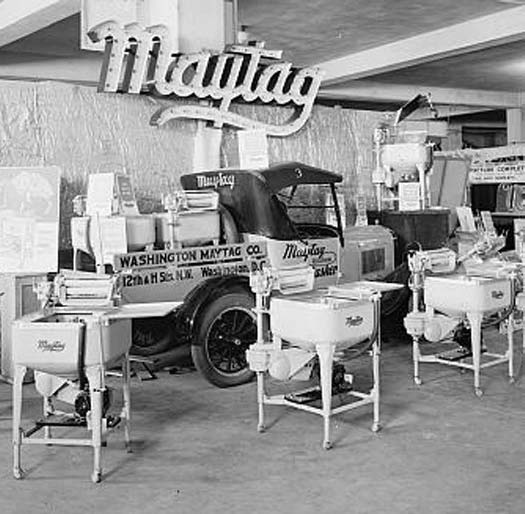
How many of us give our washing machines a second thought? And why should we? They’re reliable, automatic, hidden away, and quietly serve us when needed, with little fuss or mess. It was not always so.
-
-
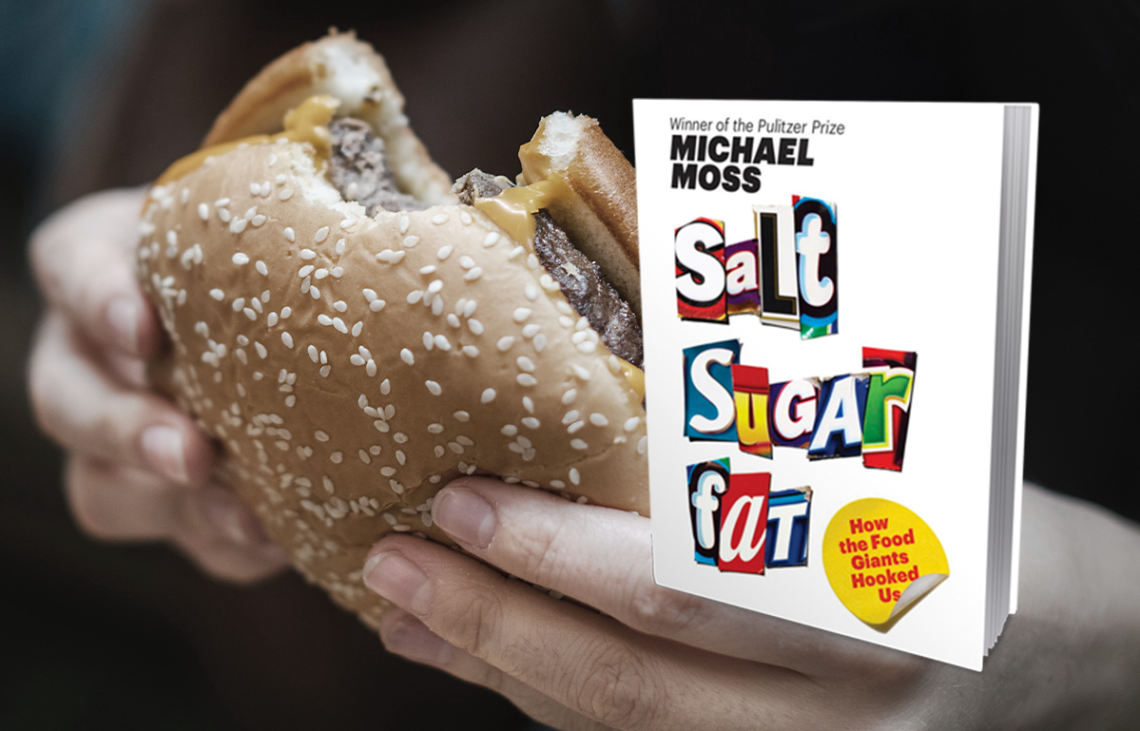
Book Review: Salt Sugar Fat
It reads like a research thriller, taking the reader through a nutritional crime scene. While some mysteries have unwilling victims – other victims are induced into the crime without knowing it.
-
Planting the Seeds:
One of the gifts of childhood is an eager and natural curiosity of the young learner’s mind. The study of plants is one of the most interesting and accessible activities to engage learners of all ages.
-
Is Your Garden Hose Toxic?
On a hot summer day, there’s nothing better than cold water. Whether it’s in a tall glass or straight from the garden hose, there’s nothing like a cool drink for both you and your plants.
-
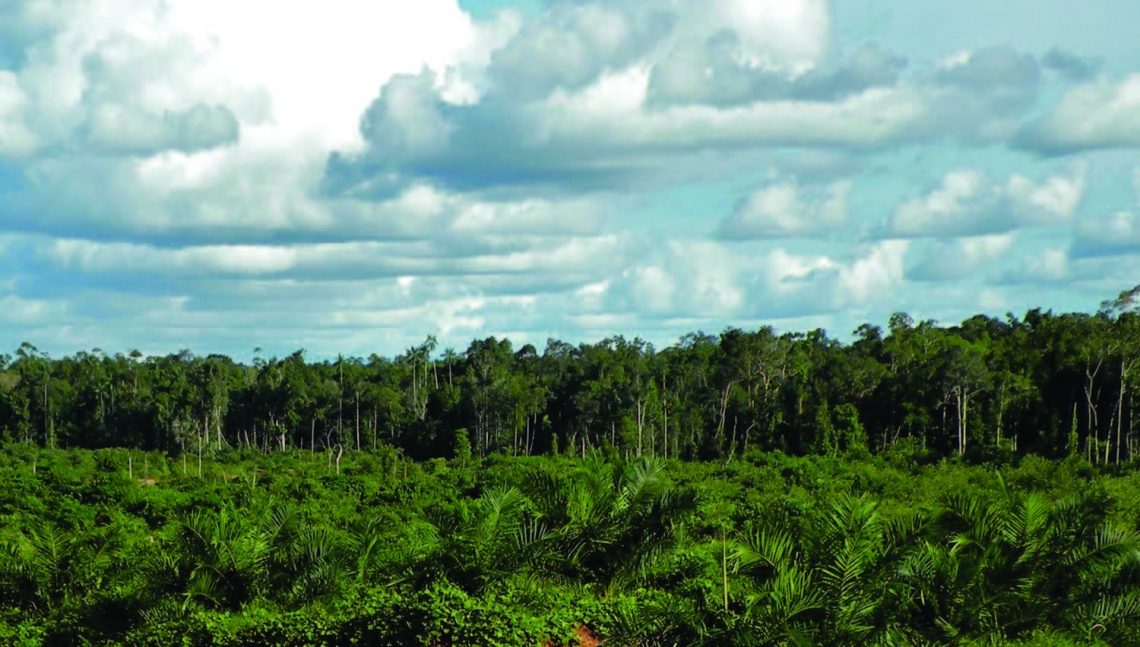
Palm Oils: Nutrition vs the Environment
Often palm oils are listed as vegetable oils, or other names, so you can’t always tell palm from the other oils.
-
The Safe Seed Pledge: A Contract Between Gardeners & Their Seed Suppliers
Although the science and technology behind genetic engineering was established by the late 1970s, it was not until 1980, when the government began allowing lifeforms to be patented, that corporations realized that they were sitting on a goldmine.
-
Big Money Against GMO Labeling
And So It Begins. The big money pours in against GMO labeling. This is what came in my mail on Saturday, and so I decided to take a closer look.
-
Black Soldier Flies or Me and My ‘Maggots’
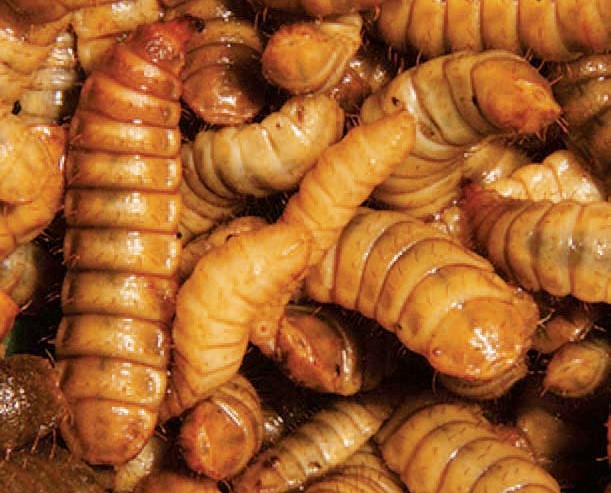
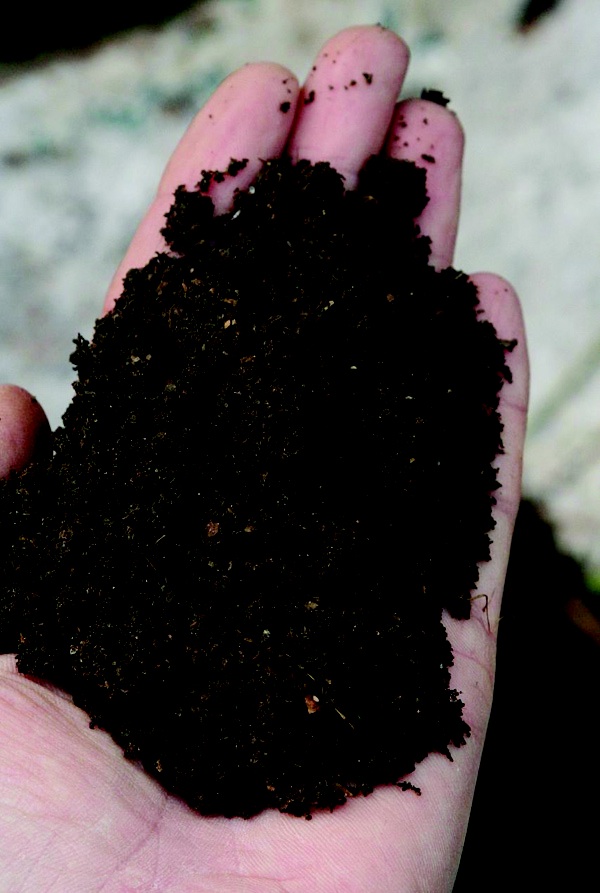
I love compost. Specifically, my compost, the product of backyard alchemy. I fuss, fidget, adjust and probably take as much pride in rolling the finished product through my fingers as I do picking the vegetables that grow so healthily in my garden.
-
Top Ten Reasons to Buy From Local Growers
Shopping in large corporate grocery stores that are open 24/7 is convenient. Supporting a local agricultural economy requires more planning, commitment and thought. Here are ten powerful reasons to do so: 1. Contribute to the Local Economy Buying food from chain grocery stores depends on a large infrastructure to support a global food system that removes about 93% of food dollars from a local economy. When you buy directly from a local grower, 90% of that money is returned to the grower and stays within your local economy. 2. Empower Regional Food Access and Security Most people know the adage “don’t put all your eggs in one basket” as a…
-
SMART Composting: A Rind Is A Terrible Thing To Waste
More and more, people recognize that putting organic matter in a landfill is a waste of both money and natural resources. Organic material in a landfill decomposes anaerobically (without oxygen), releasing harmful methane. You can do your garden and the planet a good turn by turning your organic spoils into food for the earth. Composting returns elements to the soil where plants can use them and the nutrients can continue to nourish the cycle of life. It also reduces climate-changing gas emissions and is an easy, inexpensive way to enrich gardens. Compost helps a garden to thrive – improving clay soil, allowing air and moisture to penetrate the soil, and…