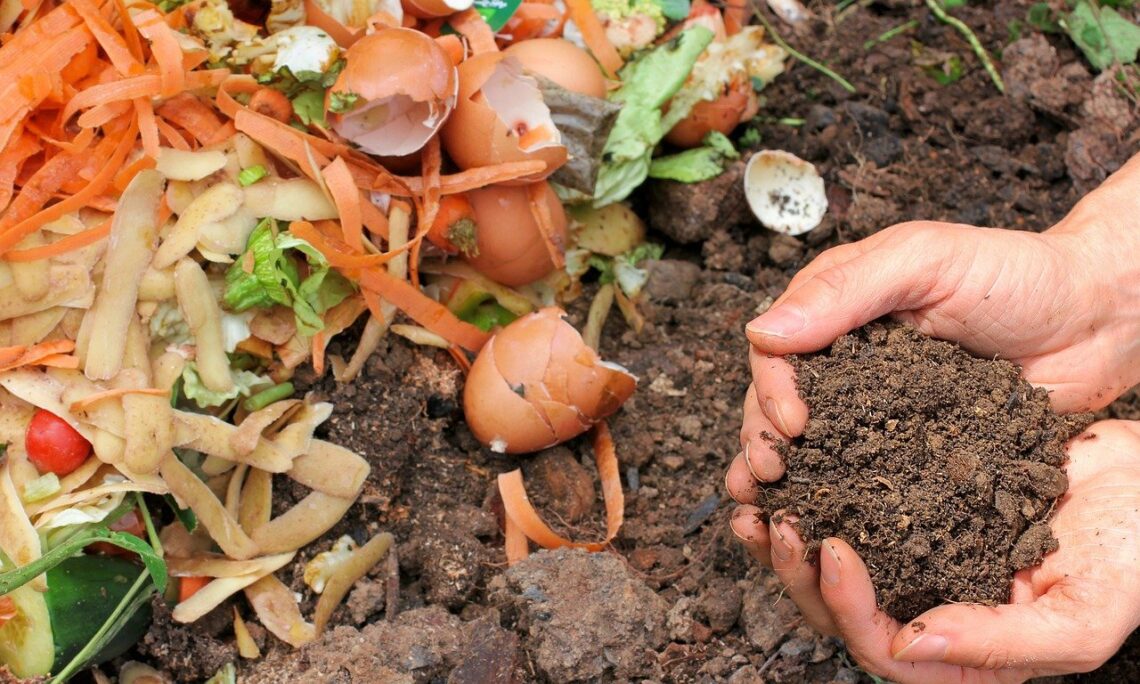
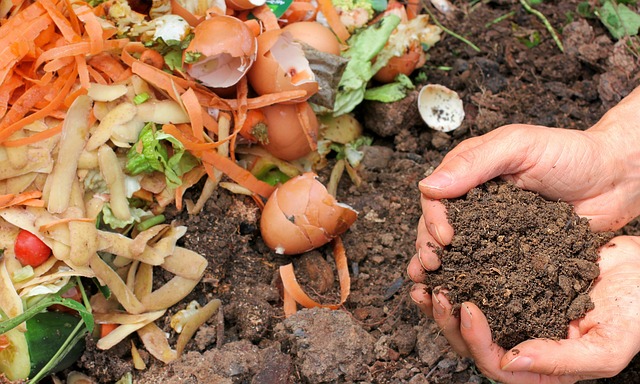
In your endeavors to reduce, reuse and recycle, eco-friendly practices to help the earth are always top of mind. But what about food waste? You might actually be throwing away dozens of scraps that could be reused to supercharge your soil. With the right know-how, you can turn everyday kitchen waste into nutrient-rich compost and shrink your household trash at the same time. Here are the unexpectedly compost-friendly items you can start saving today. Why Composting Kitchen Scraps Matters Composting kitchen scraps is one of the simplest ways to shrink your household waste while giving back to the planet. In fact, Americans waste 30% to 40% of the nation’s food production each…
-
-
How Sustainable Food Choices Can Cultivate Hope and Reduce Climate Anxiety
Feeling anxious about the climate can weigh on your mental health and make it hard to see how everyday choices matter. One powerful way to regain your sense of purpose and reduce climate worry is through ownership of the food on your plate. You might wonder how your food choices can help fight climate change. What you eat and how you buy food can influence your power over the world’s food systems, giving you the power of choice. Discover actionable, research-backed ways to nurture hope and help you manage eco-distress. What Is Climate Worry and How Does It Affect You? Climate worry or eco-anxiety is more than ordinary concern. The…
-
Compost vs. Fertilizer
What is the difference between compost and fertilizer? How can I best deliver the necessary nutrients?
-
Time and Space in the Garden
Ideas to Grow More & Waste Less Food By the time you read this, much of the adrenaline and enthusiasm about gardening may have worn off since the arrival of seed catalogs in January. Your vegetable garden may have grown profusely, producing stunning spring and early-summer food. Or, you may have planted your plants too early, only to find them to have flopped over or dried out. While many gardening successes are serendipitous, most are a result of planning. In this article, we’ll tackle how an ounce of planning can produce more and healthier vegetable plants and how you can reduce waste and prevent diseases. Most of the plants in…
-
Local Efforts to Stop Food Waste
LOCAL EFFORTS TO STOP FOOD WASTE PROVIDES A MODEL ON GLOBAL STAGE A panel of West Coast leaders shared programs that yield results in dealing with food waste at U.N. Climate Change Conference in Glasgow Headlines from the 2021 United Nations climate change conference can be discouraging. Time is running out, and the leaders of the world are unwilling -or able to give even a little. Climate scientists, legal experts, and politicians argue the final deal out of Glasgow resulted in incremental progress inadequate to address the climate crisis. Many people don’t realize that these summits do more than bring top leaders together to strike international deals. In the background,…
-
Do You Compost? And Why Not?
With every passing day, it becomes more clear that the planet is in serious danger if we don’t change our approach to protecting the environment. And while most of the onus of this change falls on national governments more so than individuals, there are still some things you can do. There are some major lifestyle changes that everyone should probably make if we are truly going to slow things down. These are things like altering your approach to transport by cutting down on how much you fly, and using public transport instead of driving where possible. It would also be helpful if the entire world stopped eating animal-based products. Aside…
-
Urban Singles and Food Waste;
How to Use What You Already Have As someone who wastes an extraordinary amount of food, The Earth Day celebration during a pandemic and economic uncertainty has me changing my ways. No more pretending “cleaning out the fridge” every two weeks doesn’t impact others and the natural world we share. My love of food and the joy of cooking leads me to make frequent complicated meals while living alone. My raccoon-like interest in the next shiny thing kept leftovers I’d already eaten a few times in the back of the fridge. Even if I did want some of that marvelous vegetable lasagne, I wasn’t sure if it was safe to…
-
How to Compost in Your Apartment
While tossing orange peels and coffee grounds in the garbage might seem inconsequential, sending food waste to landfills has a real impact on climate change. When trapped without air, decomposing food in landfills produces methane: a greenhouse gas that’s at least 80 times more powerful than carbon dioxide in the short term. As much as we try to cut down on food waste in our kitchens, there will always be leftover banana peels, apple cores and other things that can’t be used – much of which can be diverted from landfills by composting. Composting recycles organic material and allows for the natural processes that decompose food, yard waste and other organics to create a nutrient-rich, natural fertilizer. Compost piles heat up…
-
Noble Grove Farms Expands
Golden Roots Bokashi has partnered with a local builder and engineer to expand operations in the Gorge! As a result, They’ve moved into new farm space. They will be producing additional earth-friendly products aimed at healing the soil and empowering growers- from backyard enthusiasts to career orchardists, farmers, and ranchers. With refreshed branding, they’ll be providing the same Bokashi, Soil Amendments (and more!), under the new name of Noble Grove Farms, LLC. Available at www.azurestandard.com
-
Recycling in the Garden
If you are reading the Green Living Journal, you probably are committed to protecting the earth and reducing your drain on its plentiful resources. But the term “recycling” in the garden environment is often overlooked by mindful gardeners. Your garden is the most precious and vulnerable area you can impact and has all of the basics from which other recycling concepts arise. Consider: “they” are not importing atoms from Mars, or any farther planet, according to NASA. The particles that make up every rock, animal, plant, fungus, bacteria, or other earth forms—living or inanimate—were here at the creation of the planet. Our natural world is the simplest form of recycling.…