Energy-efficient home maintenance projects are one of the smartest investments a homeowner can make. They go beyond lowering monthly utility bills and touch nearly every aspect of how a home functions, feels and holds its value over time. While energy efficiency is often associated with extensive renovations or new construction, ongoing maintenance projects can deliver equally meaningful results with far less cost and disruption. When approached strategically, these projects improve comfort, reduce environmental impact and protect your home’s long-term performance. Most importantly, they help future-proof your property in a world where energy costs and sustainability expectations continue to rise. 1. Lower Energy Bills and Long-Term Cost Savings One of the…
-
-
The Major Environmental Cost of Minor Inaccuracies in Engineering
Seemingly minor errors can significantly impact energy consumption and harm the environment. A slight misalignment or an incorrect measurement can have a cascading effect on an entire project. These mistakes require additional work and materials, often resulting in increased emissions. Learn how to avoid the primary environmental consequences of engineering inaccuracies with practical solutions. Heightened Resource Use Reuse, repair and refurbishment can reduce environmental impacts by keeping materials in use longer and avoiding the emissions associated with producing new goods. Reuse that requires minimal repair or alteration provides substantial benefits compared to recycling, which often involves material loss and degradation in quality. Reuse significantly benefits the environment by reducing waste and lowering…
-
How Reusable Hardware Reduces Waste in Construction and Manufacturing
The construction and manufacturing industries tend to measure efficiency in speed and cost. However, they often overlook waste generated through single-use materials. Reusable hardware is a straightforward way to reduce the impact. By using components designed for multiple life cycles, companies can reduce waste, extend material usefulness and lower costs — which benefits the business and environment. This practice also supports a circular economy, where materials remain in circulation instead of going to landfills. Choosing reusable systems is simultaneously an environmental measure and a forward-thinking strategy that protects resources and budgets. What Is Reusable Hardware? Unlike single-use items, reusable hardware allows people to remove, store and purpose it for future…
-
Sustainable Medical Spaces: Designing Clinical Environments That Heal Patients and the Planet
Eco-friendly medical center design targets social equality, comfort and patient healing while decreasing its negative environmental impact and increasing its productivity and profits. Sustainable health care facilities implement their eco-friendliness in various ways, but incorporate their goals and methods into core principles that don’t vastly differ. You might find that a cancer treatment facility includes sunshine and greenery as primary factors in calming and improving patient moods while reducing energy consumption with more sunlight. Alternatively, a mental health facility might use green roofs to absorb heat and carbon dioxide while better controlling stormwater runoff and providing a visually appealing and calming area for patients. Medical spaces use fundamental design principles…
-
What Industries Produce the Heaviest Emissions Globally?
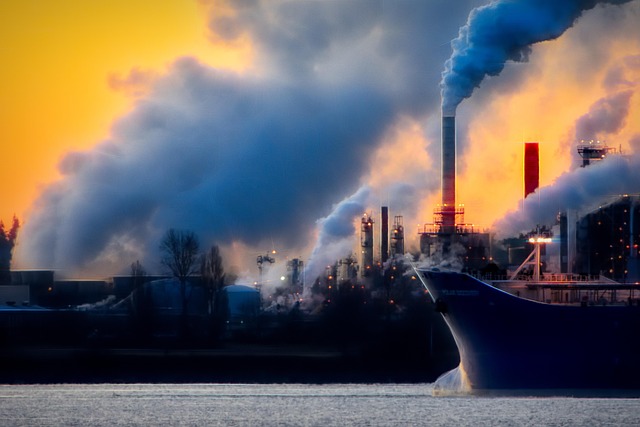
When people refer to greenhouse gas emissions, the most commonly considered are carbon dioxide, methane and nitrous oxide. While many others exist in small amounts, these three contribute most to climate change and global warming. With a worldwide trend toward sustainability, business and industry leaders are making concerted efforts to reduce these emissions. What sectors and industries contribute the heaviest of these worldwide? The Energy Sector Contributes More Emissions Than Any Other The energy sector produces far more greenhouse gas emissions than any other. With power, transportation and industry included, it is perhaps unsurprising that over three-quarters of globally produced emissions stem from this sector. 1. Power Electricity and heat…
-
The Environmental Impact of Asbestos: Why It Matters to Homeowners
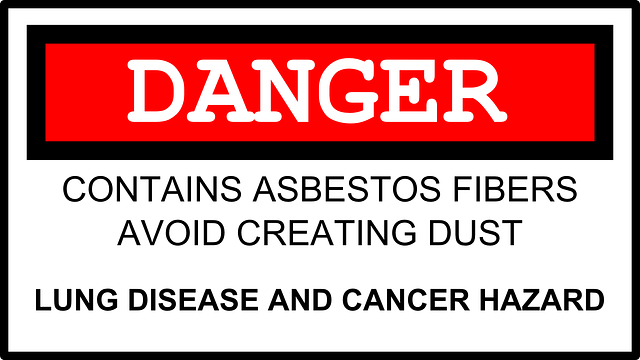
Asbestos’s reputation as a health hazard sometimes overshadows its adverse environmental impact. While it’s essential to recognize the safety issues associated with asbestos, it’s also helpful to understand its negative impacts on the environment. Learn five reasons why homeowners should be concerned about asbestos below. 1. Maintaining Safe Air Quality Levels Asbestos was a popular building material until the early 1980s due to its insulating and fireproofing properties. If you live in a house built before 1990, it may have components harboring this carcinogen. Residing in a property containing asbestos doesn’t necessarily put you in danger. Disturbing any construction product made with it does. Doing so may release asbestos fibers into the air,…
-
The Benefits of Green Roofs for HVAC Efficiency
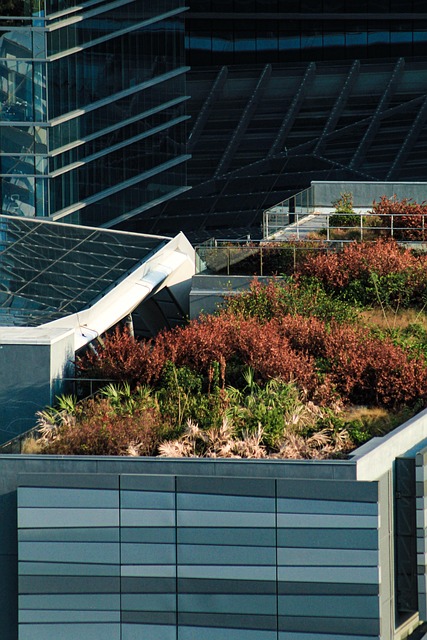
Green, vegetation-covered rooftops are a popular way to reduce energy consumption and improve indoor comfort. But how does a simple layer of greenery reduce strain on HVAC systems and contribute to cleaner air? Whether you’re a homeowner, business owner, or sustainability enthusiast, understanding these benefits can help you make informed choices about more efficient buildings. What Are Green Roofs? Planting greenery on a roof will provide environmental advantages while enhancing a building’s energy efficiency. Unlike traditional roofs made of concrete, metal, or shingles, green roofs consist of layers that support plant life, including a waterproof section, drainage system, soil, and carefully selected vegetation. There are two types of green roofs. While the…
-
Indoor Air Quality: 6 Natural Ways to Purify Your Home Environment
Spending time indoors invokes a sense of calm, urging homeowners to unwind from the stress out in the world. Make your home a true sanctuary by prioritizing your indoor air quality. There are various sources of indoor air pollution, such as building materials or smoking habits. Preventive methods like only smoking outdoors can minimize these contaminants, but there may still be existing chemicals from unknown sources. Start by testing the air quality in your home, either by using a DIY kit or calling in a professional. From there, you can work toward naturally purifying your home atmosphere using six methods. 1. Keep the Space Clean One of the best ways…
-
The Importance of Urban Trees’ Cooling Effects
Cities — packed with buildings and pavement — absorb heat all day and release it back into the air at night. This creates the urban heat island (UHI), whereby cities are hotter than surrounding areas. The effects of UHIs are far-reaching, impacting both the environment and human and pet health. Urban trees within densely populated towns promote sustainable and livable spaces. These green giants offer many benefits that enhance the environment and quality of life for city dwellers. Why Trees Are Important in Urban Areas With up to 80% of the U.S. population residing in urban cities, trees are fundamental to mitigating the effects of UHIs. High temperatures in metropolitans promote the…
-
Decarbonize Your Life (Part 3)
Heat pump water heaters are one example of low-hanging efficiency fruit as they are 2-4x more efficient than other water heaters. This is the third article in a four-part series showing how, with modest steps and a middle-class income, a family has dramatically reduced emissions and is sequestering what remains through a small reforestation project. Their life is better for it. Decarbonize Your Life (part 1) Decarbonize Your Life (part 2) Many organizations have charted a path to a decarbonized world by 2050 and broken down required action into four areas or “pathways.” In past issues, we discussed the first two pathways–Decarbonizing Electricity and Electrifying Everything–and how individuals can take…