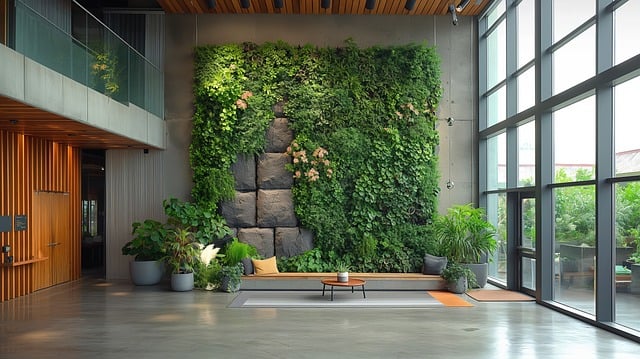

Energy-efficient home maintenance projects are one of the smartest investments a homeowner can make. They go beyond lowering monthly utility bills and touch nearly every aspect of how a home functions, feels and holds its value over time. While energy efficiency is often associated with extensive renovations or new construction, ongoing maintenance projects can deliver equally meaningful results with far less cost and disruption. When approached strategically, these projects improve comfort, reduce environmental impact and protect your home’s long-term performance. Most importantly, they help future-proof your property in a world where energy costs and sustainability expectations continue to rise. 1. Lower Energy Bills and Long-Term Cost Savings One of the…
-
-
Chemical vs Natural Toothpaste: The Impact on Your Health and the Environment, According to Science
Toothpaste is one of the most routine products people use every day. Despite its familiarity, few people stop to think about what’s inside the tube or how it affects their personal health and the environment. The debate between chemical and natural toothpastes has intensified as consumers become increasingly aware of the ingredients. What Is the Difference Between Chemical and Natural Toothpaste? Chemical toothpaste generally refers to conventional formulas made with synthetic or laboratory-produced ingredients. These products commonly include fluoride, sodium lauryl sulfate, artificial flavorings, preservatives and whitening agents designed to maximize cavity prevention and shelf stability. Natural toothpaste typically avoids synthetic detergents, artificial dyes and strong preservatives. Instead, it relies…
-
7 Kitchen Scraps You Can Safely Compost
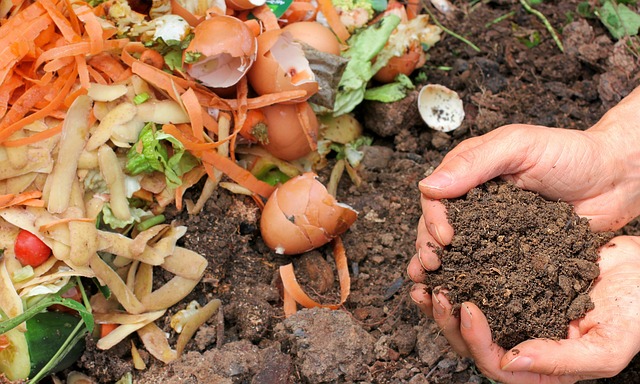
In your endeavors to reduce, reuse and recycle, eco-friendly practices to help the earth are always top of mind. But what about food waste? You might actually be throwing away dozens of scraps that could be reused to supercharge your soil. With the right know-how, you can turn everyday kitchen waste into nutrient-rich compost and shrink your household trash at the same time. Here are the unexpectedly compost-friendly items you can start saving today. Why Composting Kitchen Scraps Matters Composting kitchen scraps is one of the simplest ways to shrink your household waste while giving back to the planet. In fact, Americans waste 30% to 40% of the nation’s food production each…
-
10 Milk Alternatives You Can Make at Home — and 3 You Can’t
The dairy aisle has transformed in recent years. Instead of a shelf dedicated to cows’ milk, the coolers now share space with a diverse range of plant-based alternatives competing for attention. Many people are prioritizing wellness and environmental sustainability. If you are looking to take this commitment further, making plant milk at home offers additional advantages. Consider these 10 alternatives you can make yourself that are good for you and the planet. Benefits of DIYing Your Dairy Making dairy substitutes at home allows you to control what goes into your milk, cutting out potential preservatives and stabilizers that manufacturers add to address processing challenges like separation and texture stability. You can also…
-
The Environmental Impact of Asbestos: Why It Matters to Homeowners
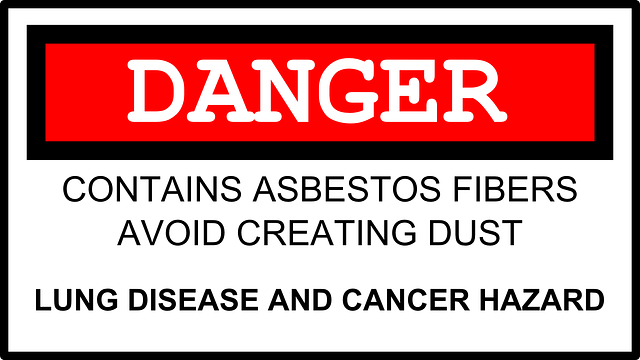
Asbestos’s reputation as a health hazard sometimes overshadows its adverse environmental impact. While it’s essential to recognize the safety issues associated with asbestos, it’s also helpful to understand its negative impacts on the environment. Learn five reasons why homeowners should be concerned about asbestos below. 1. Maintaining Safe Air Quality Levels Asbestos was a popular building material until the early 1980s due to its insulating and fireproofing properties. If you live in a house built before 1990, it may have components harboring this carcinogen. Residing in a property containing asbestos doesn’t necessarily put you in danger. Disturbing any construction product made with it does. Doing so may release asbestos fibers into the air,…
-
How to Create a Bee Sanctuary: 6 Plants to Grow in Your Garden
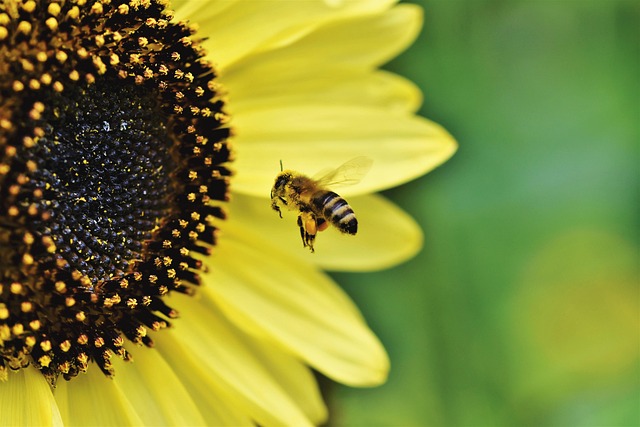
Gardening is an enjoyable hobby that can also support your local ecosystem. If your plants feed nearby bees, they’ll ensure all surrounding flora thrive. Transform your backyard into a bumblebee haven by learning how to create a bee sanctuary. You can easily customize it to your gardening interests and budget, so helping the bees doesn’t require an extensive adjustment period. What Is a Bee Sanctuary? Bee sanctuaries are spaces where bees can easily find food, shelter, and water. They’re more important now than ever. The United States had 5 million bee colonies in the 1940s, but experts estimate that colony numbers are down to approximately 2.66 million today. Without as many bees,…
-
Eco-Friendly Ways to Remove Mold for a Healthy Home
Finding household mold does not mean your home is dirty. Mold is a common problem in many homes with restricted airflow, often resulting in humid conditions that encourage dampness. If you have a basement, for example, finding mold patches is common, and bathrooms can also be a breeding ground for mold. What Is Mold? Mold includes all microscopic fungi species, and it releases spores that drift through the air until they find a damp spot to land to survive. It makes no difference what damp surface mold finds — it is as comfortable growing on food, paper, wood, carpet and plastics as on your household walls. If you see mold in your home,…
-
7 Reasons You Should Try Apartment Gardening
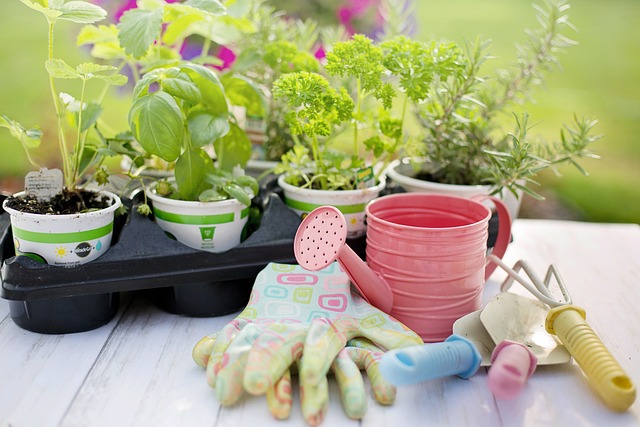
Sustainability has become essential in numerous facets of your life. You may implement eco-friendliness with the miles per gallon in your car or the brands you buy from. But how can you be sustainable at home? Here are seven reasons you should try apartment gardening. 1. Fresh Food Having fresh food at home can encourage you to cook more and get takeout less frequently. How can an apartment garden help? With a small greenhouse, you can access fruits and vegetables whenever you desire. Imagine not having to go to the grocery store to get produce for your next dinner. Growing foods on your patio or balcony could do wonders for…
-
Indoor Air Quality: 6 Natural Ways to Purify Your Home Environment
Spending time indoors invokes a sense of calm, urging homeowners to unwind from the stress out in the world. Make your home a true sanctuary by prioritizing your indoor air quality. There are various sources of indoor air pollution, such as building materials or smoking habits. Preventive methods like only smoking outdoors can minimize these contaminants, but there may still be existing chemicals from unknown sources. Start by testing the air quality in your home, either by using a DIY kit or calling in a professional. From there, you can work toward naturally purifying your home atmosphere using six methods. 1. Keep the Space Clean One of the best ways…
-
Exploring the Top 7 Physical and Environmental Benefits of Green Exercise
With the gradual shift toward working from a desk and driving in cars, it’s no surprise that the amount of time spent outdoors is in rapid decline. The average American spends almost 90% of their day indoors. Fortunately, there are strategies you can apply to change this statistic in your own life — and inspire others around you to do the same. Outdoor exercise has tremendous benefits for your physical and mental health, as well as the environment itself — and it’s easier than you might think to apply it in your day to day life. What Is Green Exercise? Green exercise is any outdoor activity that keeps you moving and gets…