
Meat is a dietary essential for millions, but its production has a significant impact on the planet. Fortunately, creating a more sustainable industry — from the farm to the supply chain — is possible through innovation and a return to ecological principles. Many practical and effective strategies are already being used to lower emissions. Some focus on land management, while others center on animal genetics and supply chain logistics. The Challenge of Growing Global Demand The consumption of eggs, poultry, pork, beef and other livestock is projected to double between 2000 and 2050, going up to around 557 million metric tons. If current production methods remain unchanged, the increasing demand can…
-
-
The Major Environmental Cost of Minor Inaccuracies in Engineering
Seemingly minor errors can significantly impact energy consumption and harm the environment. A slight misalignment or an incorrect measurement can have a cascading effect on an entire project. These mistakes require additional work and materials, often resulting in increased emissions. Learn how to avoid the primary environmental consequences of engineering inaccuracies with practical solutions. Heightened Resource Use Reuse, repair and refurbishment can reduce environmental impacts by keeping materials in use longer and avoiding the emissions associated with producing new goods. Reuse that requires minimal repair or alteration provides substantial benefits compared to recycling, which often involves material loss and degradation in quality. Reuse significantly benefits the environment by reducing waste and lowering…
-
What the Canada-Mexico Action Plan Means for Sustainability in North America
Climate action can feel like a distant conversation, but its impact reaches straight into backyards, gardens and homes. The newly launched Canada-Mexico Action Plan brings two nations together with a shared mission — advancing sustainability, protecting resources and creating cleaner communities. From renewable energy to greener agriculture, this cross-border partnership is planting the seeds for a more resilient North America — one that homeowners and gardeners can see growing right outside their doors. What Is the Canada-Mexico Action Plan? The 2025–2028 Canada-Mexico Action Plan is a strategic framework designed to strengthen cooperation between the two nations in key areas, with sustainability at its core. According to Canada’s official government release,…
-
Everything You Need to Know About Household Hazardous Waste
Every householder and garden enthusiast uses products that help maintain clean homes and flourishing gardens — but some of these common items pose hidden risks. Known as household hazardous waste (HHW), these materials can threaten health and the environment if not handled properly. Understanding how to manage hazardous waste is essential for protecting your family and pets. It’s also vital for preventing contamination of soils, groundwater and local ecosystems. What Is Household Hazardous Waste? HHW includes common products that are flammable, corrosive, reactive or toxic, and which require special attention for handling or disposal. For example: These items are dangerous because of their chemical properties. If placed in regular trash…
-
How Reusable Hardware Reduces Waste in Construction and Manufacturing
The construction and manufacturing industries tend to measure efficiency in speed and cost. However, they often overlook waste generated through single-use materials. Reusable hardware is a straightforward way to reduce the impact. By using components designed for multiple life cycles, companies can reduce waste, extend material usefulness and lower costs — which benefits the business and environment. This practice also supports a circular economy, where materials remain in circulation instead of going to landfills. Choosing reusable systems is simultaneously an environmental measure and a forward-thinking strategy that protects resources and budgets. What Is Reusable Hardware? Unlike single-use items, reusable hardware allows people to remove, store and purpose it for future…
-
How to Mitigate Increased Wildfire Risk During Climate Change Heat Waves
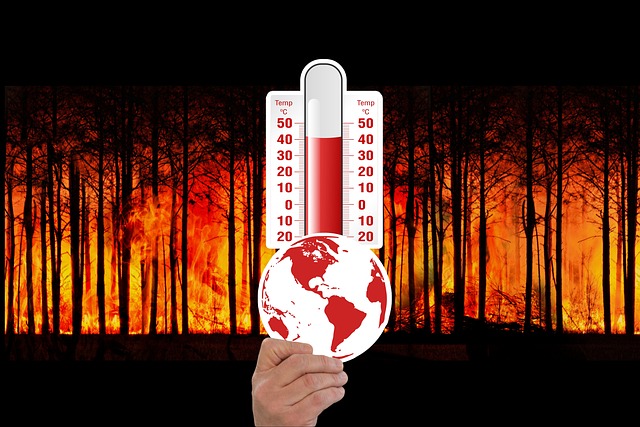
Climate change causes extensive heat waves, which raise wildfire risk by creating a tinderbox environment, increasing the likelihood that a fire will start and the speed at which it can spread. Prolonged heat dries out vegetation, making it more flammable, and heat waves often lead to thunderstorms, where lightning can be a trigger. Because people spend a lot more time outdoors during warm weather, human activity also boosts wildfire risk. However, there are many proactive ways to avoid wildfires and protect your home and neighborhood. How to Prepare Your Property for Wildfire Mitigation Two main factors affect whether your house will ignite or not — its structural condition and the…
-
What Industries Produce the Heaviest Emissions Globally?
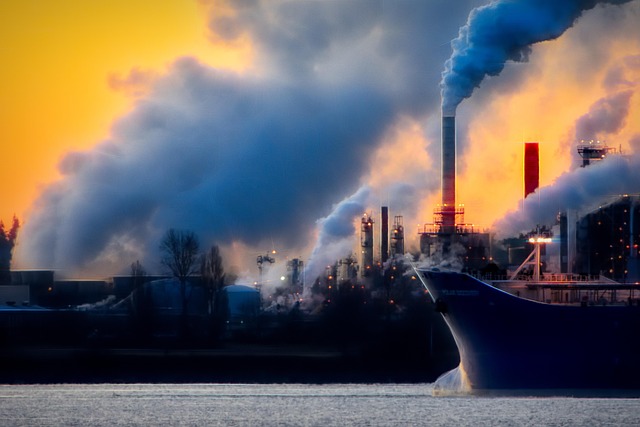
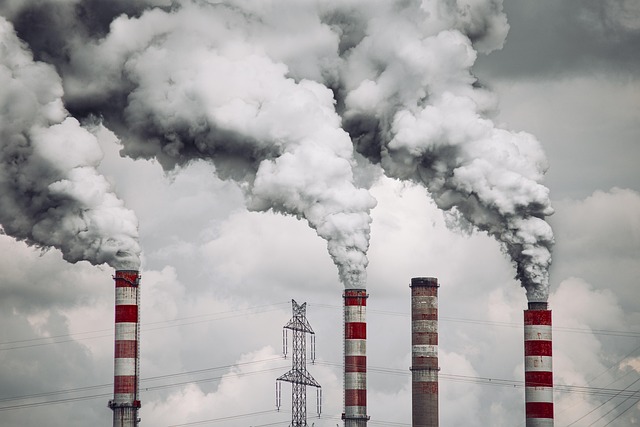
When people refer to greenhouse gas emissions, the most commonly considered are carbon dioxide, methane and nitrous oxide. While many others exist in small amounts, these three contribute most to climate change and global warming. With a worldwide trend toward sustainability, business and industry leaders are making concerted efforts to reduce these emissions. What sectors and industries contribute the heaviest of these worldwide? The Energy Sector Contributes More Emissions Than Any Other The energy sector produces far more greenhouse gas emissions than any other. With power, transportation and industry included, it is perhaps unsurprising that over three-quarters of globally produced emissions stem from this sector. 1. Power Electricity and heat…
-
What Are Wet Scrubbers and How Do They Impact the Environment?
Have you ever wondered how industries prevent harmful pollutants from entering the air you breathe? Wet scrubbers protect the environment by capturing harmful gases and particles before they escape into the atmosphere. They’re one of the most effective solutions for cleaning industrial emissions among these pollution control technologies. What Are Wet Scrubbers? Wet scrubbers are pollution-control devices that remove harmful particles and gases from industrial exhaust streams. Unlike dry scrubbing methods, wet ones use liquid solvents to capture pollutants in flue gas, which is produced when fossil fuels such as coal, oil, natural gas, or wood are burned for heat or power. This technology helps businesses meet environmental regulations while protecting community…
-
Identifying Tree Diseases and What Causes Them
Trees are vital parts of urban spaces. They add greenery and nature where people might otherwise only see concrete structures. However, they’re also at risk of specific illnesses due to numerous factors. Learning more about tree diseases most common in cities will reveal what causes them and how you can better care for your trees in the long term. Common Urban Tree Diseases Diseases affect urban and wild trees, but those growing within cities and towns get sick more often than people might expect. The frequency depends on the conditions present within a given area. A variety of bacteria and virus-induced illnesses can occur throughout an urban tree’s lifespan, including:…
-
The Latest Sustainable Innovations for Underground Mining
Mining has long been a cornerstone of modern infrastructure, providing the materials that power our everyday lives. However, underground mining comes with challenges — environmental impact, worker safety and resource consumption being major concerns. Fortunately, technological advancements are changing the game. From energy-efficient equipment to AI-driven automation, mining technology is making underground operations safer, cleaner and more efficient than ever before. Here are five key innovations shaping the future of underground mining and why they matter for both the industry and the environment. 1. Energy-Efficient Equipment The underground mining industry has relied on diesel-powered machinery for a long time, but these vehicles come with environmental costs. Diesel engines produce harmful emissions, contribute…