Imagine walking or biking along a river that looks clean, with clear water, no visible trash and lush green banks. It seems healthy, but appearances can be deceiving. The real story of a river’s condition lives in what’s happening on the riverbed, the terrain hidden underwater and the human decisions shaping the water above. To find the truth, you must look below the surface.
Urban River Health Means More Than a Clean Shoreline
It’s natural to judge a river’s health by what you see. Clean water, the absence of trash, and thriving life in the form of green plant growth and visible wildlife are signs that it’s in good condition. However, they’re incomplete on their own.
Pollutants, chemical imbalances, sediment buildup and degraded underwater habitat can all exist even when the surface looks pristine. It’s like judging a house’s condition by its curb appeal alone. Vibrant landscaping and a freshly painted exterior don’t tell you whether the foundation is cracked or the plumbing is falling apart. Determining urban river health means assessing all the parts that make it whole.
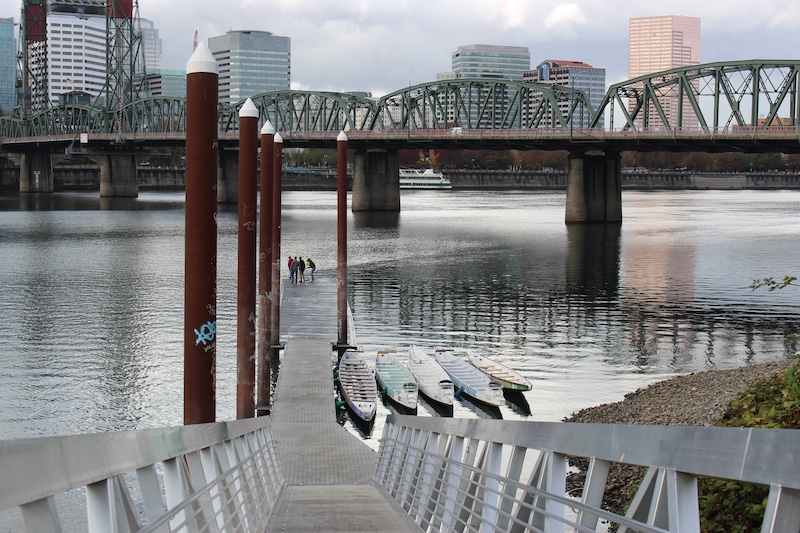
When you kayak or walk along the Willamette River watershed in Oregon on a sunny day, you’ll likely see clear, glittering waters and tidy shorelines. However, the nutrient levels, fish populations and sediment conditions beneath the surface could be telling a different story.
At 11,500 square miles, the Willamette River Basin is the largest watershed in the state, flowing roughly 200 miles to the Columbia River. The drainage basin ends in Portland, the watershed’s most urbanized section.
This stretch of river is the only route salmon and steelhead have to reach spawning grounds like Johnson and Crystal Springs creeks. These fish travel through it twice in their lifetime, first to reach the ocean and second to return to their spawning grounds. A truly healthy urban river has the right nutrient and sediment conditions to support this seasonal migration. More than a scenic backdrop, it acts as a critical, living corridor for aquatic life.
Underwater Terrain Shapes Every Waterway Decision
Before dredging, construction, habitat restoration or any work happens in or near a river, someone first needs to know exactly what’s down there. It’s similar to how a contractor wouldn’t start a remodeling project without first checking what’s behind a wall or under a floor.
River planners can’t make decisions without getting the lay of the land hidden beneath the surface. Underwater terrain reports often include:
- Depth variations across a riverbed.
- Submerged obstacles, like old infrastructure, fallen trees and debris.
- Uneven riverbed composition.
These details help crews tailor their plans and safety measures to the site. They also enable planners to develop their budget accurately, ensure regulatory compliance and protect existing aquatic habitats from accidental damage.
With a hydrographic survey, planners can also detect obstructions, take precise depth readings and confirm stable riverbed conditions before any work ever starts. This reduces risks like structural failure, environmental damage and accidents.
For example, a city is planning a new riverside pier or bridge support. To prepare, a survey crew confirms there isn’t a sunken obstruction, an unstable slope or soft sediment that could compromise the structure down the line. Healthy urban rivers often depend on comprehensive underwater data most residents never see.
Sediment Holds the Real Story of River Health
Sediments are the fine particles, like sand, silt, clay and mud, that collect on a riverbed. Some are normal and necessary for a healthy system.
However, too much fine sediment can be a problem. It can fill the small gaps between larger rocks and cobbles where fish, insects and other organisms live, breed and lay eggs. Those organisms can get smothered when fine sediments clog their pockets.
People can add fine sediments to rivers through agriculture, construction and general urban development, especially during storms, when runoff surges. Your home may also contribute to the problem. Think of the way rainwater can carry loose soil off a yard or driveway during a heavy downpour.
A new subdivision presents a larger-scale example. After a storm, the loosened, exposed soil on the cleared land washes straight into the nearest body of water. Impervious surfaces, like roads and driveways, compound this issue. Since they don’t absorb water, they can speed up and increase the volume of runoff reaching a creek, stream or river.
The downstream effect can cause river incision and bank erosion over time. The fine sediment piles up, making the riverbed silty and unstable. This gradually erodes the riverbed’s structure and reduces the quality of habitat it can support.
Human Activity Leaves Its Mark on Water Quality
Everyday decisions and habits playing out across an entire city can also shape urban river health. A growing body of Portland river conservation research is starting to paint a clearer picture of how.
One study wanted to understand what was driving changes in local stream conditions over time, so researchers spent over a decade tracking water quality data across the metro area. They found that climate change and urbanization can alter stream turbidity and temperature enough to put real pressure on salmon and other sensitive species. The encouraging part is that the same study found that watershed restoration and management efforts helped soften that pressure.
Some researchers studied water quality block by block across Portland neighborhoods. They discovered that nearby developed land and impervious surfaces helped explain nitrate variations in local streams, which can affect ecosystems. It’s a reminder that a paved driveway or fertilized lawn can leave a measurable trace in nearby water systems.
Sustainable Waterways Start With Small Habits at Home
The city’s large-scale efforts are only part of the equation. Sustainable waterways also depend on the small choices you make at home.
- Reduce or stop using chemicals on your lawn, as they can wash into storm drains.
- Direct downspouts and gutters toward your lawn or a garden bed to give rainwater a chance to soak into the ground.
- Dispose of household chemicals, used motor oil and paint properly instead of pouring them down a drain.
- Keep bare soil covered with mulch or groundcover to reduce erosion.
Protect the River Beneath the Surface
A healthy-looking river rarely tells the whole story from the shoreline, so next time you’re near one, try looking at it a little differently. Its waters may represent a far more layered system worth caring about. Support the river’s long-term health with intentional choices in your home. Somewhere downstream, your decisions may already be showing up in the water, whether you realize it or not.
Jack Shaw is the senior Outdoors writer for Modded, a men’s lifestyle publication. An avid outdoorsman and lover of nature, he’ll often find himself taking retreats out to explore his environment and encourages others to do the same in ways that are sustainable and beneficial to the environment.
Image by Elizabeth Borelli