
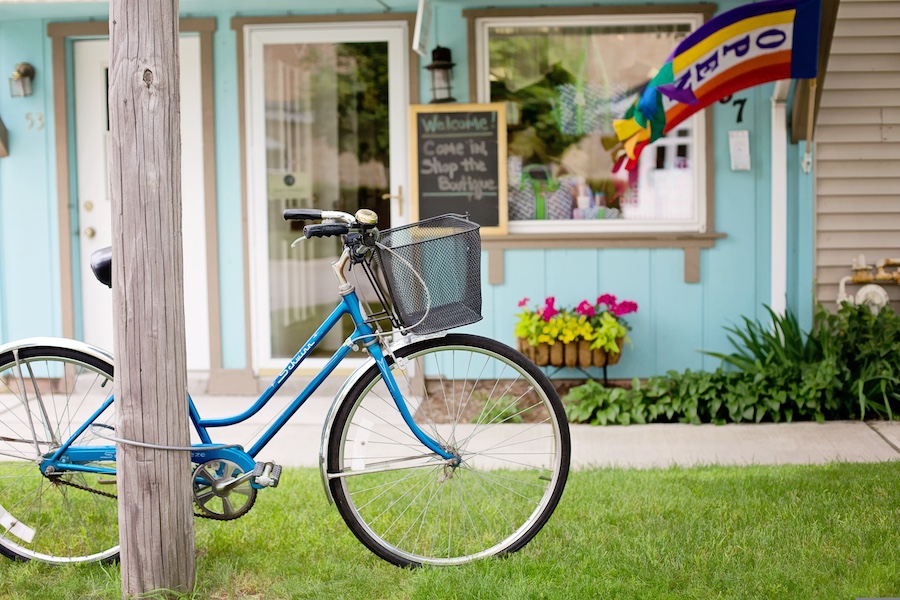
Imagine a Saturday where your grocery run, a library visit and an afternoon in the park all happen on foot. That’s the everyday reality 15-minute cities aim to create. These are neighborhoods where the essentials sit a short walk or bike ride from home. Getting there takes more than good intentions, but the payoff reaches your wallet, your health and the planet.
Making Sustainable Choices the Easy Choice
The concept behind 15-minute cities is refreshingly practical. Groceries, schools, healthcare, parks and even work sit within about a quarter-hour of your door. At that distance, leaving the car at home no longer feels like a sacrifice. It simply becomes the most convenient option. Building that kind of convenience usually means letting shops and homes share the same streets, adding safe crossings and connecting sidewalks so short trips feel easy.
Transportation is the largest source of direct emissions in the U.S., accounting for 28% of the country’s greenhouse gas emissions. A surprising amount of that driving covers very short distances. In 2021, over half of U.S. trips were under three miles, and 28% were under one mile.
Those short hops are exactly the trips that sustainable neighborhoods can absorb. Trade a few weekly errands for a walk or a bike ride. You’ll cut fuel costs and tailpipe emissions. You’ll also build activity into your day without having to schedule a workout.
Cities that commit to this model can see habits change quickly. In central Paris, recent figures show that 11.2% of trips are made by bike, compared with just 4.3% by car. Walking leads the pack, covering more than half of all trips. Those numbers show what becomes possible when safe, convenient routes come first.
Keeping Local Businesses and Shared Spaces Thriving
A walkable neighborhood is only as strong as the places you walk to. Corner grocers, bakeries, hardware stores and pharmacies rely on steady foot traffic. When stopping in is as easy as strolling down the block, a quick errand becomes a regular habit. Over time, familiar faces turn into neighbors you actually know.
Shared community spaces do just as much heavy lifting. Parks, libraries, plazas and community gardens give you a reason to linger outside. A shared plot can turn an empty lot into fresh tomatoes, seed swaps and new friendships. Even a few benches and a shade tree can turn an ordinary corner into a gathering spot.
Schools also play a part in sustainable neighborhoods. When classrooms are within walking distance, the morning drop-off line can shrink to a few blocks of sidewalk. Your kids gain a little independence and some fresh air before the first bell. You get back time you once spent idling in traffic.
These everyday connections add up. Communities designed around walking and biking can increase interaction between residents, improve safety, support local economies and reduce air pollution. Living in one, you’ll likely spend less time in your car. That frees up hours for the things you actually enjoy.
Planning for Upkeep, Affordability and Access
Walkable communities deliver real benefits, but they come with practical challenges worth planning around. One of the most overlooked is upkeep. Much of what makes sustainable neighborhoods work already exists. Sidewalks, streetlights and bus shelters all count, along with the refrigerators humming inside the corner market.
Equipment that breaks without warning gets expensive fast. In the corporate world, unplanned downtime costs the world’s 500 largest companies roughly $1.4 trillion per year, about 11% of their revenue. Neighborhood breakdowns rarely show up on a balance sheet like that, but they hit closer to home. A failed grocery cooler or a broken crosswalk signal can cut off easy access to food or a safe route to school. Routine maintenance and quick repairs keep walkable communities reliable.
Affordability is another concern. Homes near shops, parks and transit are desirable, and that demand can push housing costs higher. A 2025 study of 200 Swedish towns and cities found residents with the broadest local accesshad notably higher average incomes. Pairing walkability upgrades with affordable housing policies helps keep these neighborhoods open to everyone.
Accessibility deserves the same attention. A 15-minute walk looks different for a parent with a stroller, an older adult with a cane or a wheelchair user. Smooth sidewalks, curb ramps, benches, shade and well-timed crossings make that short trip realistic for everyone.
Starting Small on Your Own Block
You don’t need a citywide master plan to nudge your neighborhood toward walkability. Swap one weekly errand for a walk or bike ride. Shop at the corner store, join a community garden or volunteer to help tend a local park. Small, repeated habits shape what your street becomes.
It also helps to speak up when your city discusses sidewalks, bike lanes and zoning. Each choice shows local leaders you want 15-minute cities built for everyone. The most livable neighborhoods aren’t finished overnight. Instead, they grow one connected street at a time.
Jack Shaw is the senior Outdoors writer for Modded, a men’s lifestyle publication. An avid outdoorsman and lover of nature, he’ll often find himself taking retreats out to explore his environment and encourages others to do the same in ways that are sustainable and beneficial to the environment.
Image by Jill Wellington


