
Artificial intelligence can offer tools to protect natural resources. However, powering massive computing systems requires a large environmental footprint. Balancing high-tech ecological protection with the heavy resource consumption of these networks can be a dilemma. Before committing to the use of AI, it’s vital to consider its hidden energy costs.
The Electricity Threat of Data Center Expansion
Behind every digital assistant and image generator are invisible machines at work. Everyday tasks feel weightless because they happen instantly online.
However, the physical reality is that large, land-hungry data centers draw huge amounts of power from the electrical grid. Giant server warehouses are consuming around 1.5% of global electricity. In some places, the share is higher. For example, 4.9% of the electricity used in the United States is consumed by data centers.
The recent surge in artificial intelligence accelerates this electrical drain. Software programs require continuous and complex calculations to function. Processing data at that speed demands high-volume electricity, and as developers build larger models, energy requirements skyrocket. In the U.S., the current grid may struggle to accommodate this expansion.
Experts estimated that AI’s carbon footprint could be responsible for 79.7 million tons of CO2 in 2025. That number equals the tailpipe emissions of millions of gas-powered cars hitting the highway.
This rapid digital growth threatens the environment that people work so hard to protect. Homeowners likely take pride in lowering household energy use by installing smart thermostats, upgrading window insulation or planting native trees. Unfortunately, giant server farms can erase those gains. Protecting local ecosystems today requires paying close attention to this digital drain.
The Promise of Precision Conservation
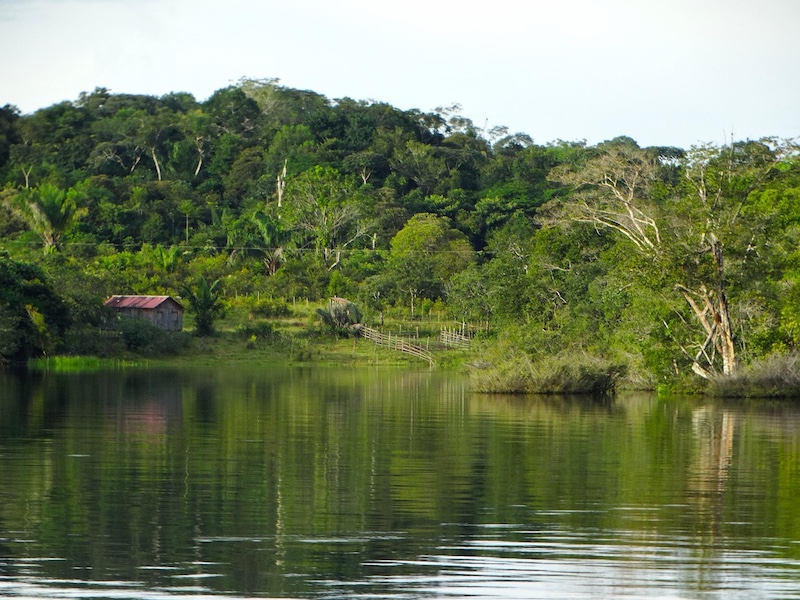
Advanced computing strains electrical grids, but it can also offer a lifeline for endangered habitats. The Amazon rainforest is a dense, overgrown vegetative landscape that spans millions of square miles across the continent. Human patrols cannot physically cover this territory without help, and stopping illegal logging requires fast and scalable solutions. Modern conservationists could deploy artificial intelligence to fill these wide gaps in observation.
Real-time ecosystem monitoring replaces outdated observation methods. In the past, researchers may have waited months to physically retrieve memory cards from individual jungle cameras. Today, scientists receive instant alerts on screens.
Solar-powered acoustic sensors and high-flying drones feed live data directly into analytical programs. In addition, digital systems process thousands of audio recordings and visual images instantly. Algorithms can pick up the sounds of chainsaws from miles away. Forest rangers can use this instant awareness to respond more quickly to illegal logging threats.
Protecting the inhabitants of the Amazon rainforest requires smart tools. Physical observation methods could scare the animals that researchers want to study, but wildlife tracking AI could remove human interference from the equation. That is because software tools automatically scan countless aerial images and remote trail camera photos. These advanced programs support species recognition, animal counting and migration tracking across protected areas. This means that species can maintain their normal daily routines with minimal human disruption.
Fast, accurate information helps local authorities deploy small teams exactly where emergencies occur. Technology turns an unmanageable wilderness into a guarded sanctuary.
The Water Issue for Sustainable Tech
While smart algorithms assist forest protection, computing infrastructure places a great strain on natural resources. High-speed processors generate heat around the clock. Cooling towers need to pump water through server farms to prevent equipment meltdowns.
The scale of this water usage is difficult for resource managers to keep up with. Researchers found that training a single massive AI model can consume over 700,000 liters of freshwater for on-site cooling alone. Heavy resource extraction places pressure on delicate local ecosystems.
Nearby towns suffer increased strain on municipal water supplies during the dry summer months. Each online prompt relies on servers that may contribute to local water demand, depending on how and where the data center is cooled. Continuous computing activity offsets many of the green benefits of digital software. These data centers are also often loud, creating significant noise pollution for residents.
Major tech companies recognize these problems. Corporations are investing in efficient cooling equipment and closed-loop recycling systems. For example, Microsoft pledged to be water positive by 2030. Executive leadership plans to return more water to the surrounding watersheds than corporate facilities draw from local aquifers. Machine-learning-based environmental monitoring allows engineers to track precise fluid usage across large global data centers, while advanced software pinpoints leaky pipes and optimizes cooling systems.These ambitious corporate commitments offer a path toward responsible growth. Tech industry leaders must continue developing practical, long-term solutions to quench this digital thirst. True sustainability requires an honest look at every gallon consumed.
Balancing Innovation With the Amazon’s Future
AI Amazon conservation initiatives can deliver real value across rainforests. Specialized tools like a forest-health assessment satellite provide a steady defense against habitat destruction. However, the heavy energy and water footprints challenge those environmental benefits. Right now, it is unclear if these efforts justify the costs. For this to be true, serious work is necessary to reduce the high amount of energy and water consumption.
Jack Shaw is the senior Outdoors writer for Modded, a men’s lifestyle publication. An avid outdoorsman and lover of nature, he’ll often find himself taking retreats out to explore his environment and encourages others to do the same in ways that are sustainable and beneficial to the environment.
Image by Raimundo Teixeira estevesbae