Energy-efficient home maintenance projects are one of the smartest investments a homeowner can make. They go beyond lowering monthly utility bills and touch nearly every aspect of how a home functions, feels and holds its value over time. While energy efficiency is often associated with extensive renovations or new construction, ongoing maintenance projects can deliver equally meaningful results with far less cost and disruption.
When approached strategically, these projects improve comfort, reduce environmental impact and protect your home’s long-term performance. Most importantly, they help future-proof your property in a world where energy costs and sustainability expectations continue to rise.
1. Lower Energy Bills and Long-Term Cost Savings
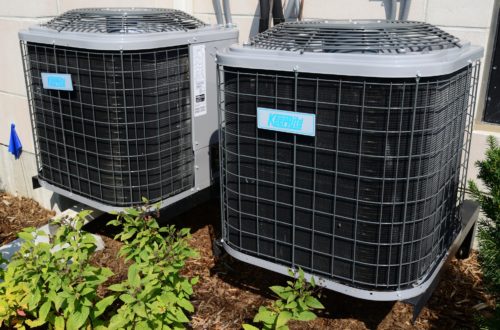
One of the most obvious and immediate benefits of energy-efficient home maintenance is reduced energy consumption. Projects such as sealing air leaks, upgrading insulation, cleaning and servicing HVAC systems, and maintaining energy-efficient appliances help prevent unnecessary energy loss.
When your home retains heat in winter and stays cooler in the summer, your heating and cooling systems don’t need to work as hard to maintain a comfortable temperature. Over time, these efficiencies add up. Lower monthly utility bills free up household budgets, and well-maintained systems are less likely to require costly emergency repairs. Energy-efficient maintenance is about consistent savings that compound year after year.
Upgrading to more efficient systems can also help reduce utility bills. For instance, Energy Star-certified homes are at least 10% more efficient than standard homes.
2. Improved Comfort and Indoor Living Conditions
A comfortable home maintains stable temperatures, balanced humidity levels and good air quality throughout the year. Energy inefficiencies often show up as drafty rooms or hot and cold spots. Addressing these issues through maintenance tasks like weatherstripping, duct sealing and insulation upgrades can dramatically improve everyday comfort.
These improvements create a more even distribution of air and temperature across the home. The result is fewer fluctuations, less reliance on constant thermostat adjustments, and an indoor environment that feels more comfortable and controlled.
3. Extended Lifespan of Home Systems
Energy-efficient maintenance protects the longevity of your home’s mechanical systems. HVAC units, water heaters and major appliances experience less strain when they operate efficiently. When systems are properly sealed, cleaned and maintained, they are less likely to overheat or fail prematurely.
At installation, heating and cooling equipment operate at maximum efficiency. However, over time, mineral buildup, corrosion and surface fouling can insulate critical heat transfer components, reducing performance and increasing energy demand. To illustrate the impact, just 1/16 of an inch of mineral scale on the coils of a large chiller can increase annual energy costs by 25-30%. Maintaining clean systems helps preserve equipment in its original, as-manufactured condition, preventing these efficiency losses that would otherwise drive up energy use and operating costs.
4. Increased Property Value and Market Appeal
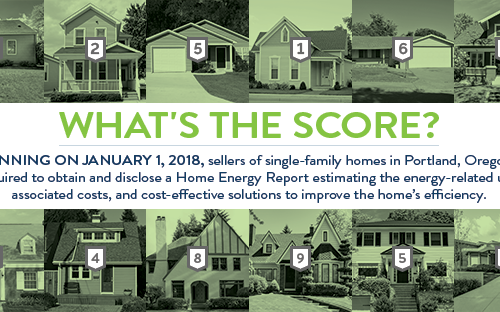
Homes with documented energy-efficient features and maintenance histories are attractive to buyers. Energy costs are top of mind for many prospective homeowners, and properties that demonstrate lower operating expenses stand out in competitive markets. Even modest efficiency upgrades can signal that a home has been cared for thoughtfully and responsibly. If just a few homes have sustainable features, it can increase the value of an entire neighborhood.
Additionally, energy-efficient homes tend to show better, especially when comfort and consistency are noticeable during walk-throughs. Whether you plan to sell soon or years down the line, sustainable maintenance projects help protect and enhance your home’s resale value.
5. Reduced Environmental Impact
Energy-efficient home maintenance reduces a home’s environmental footprint. By using less energy to heat, cool and power your home, you reduce greenhouse gas emissions and overall resource consumption. These changes may feel small at the individual level, but their collective impact is significant when adopted widely.
For homeowners who care about sustainability, maintenance projects offer a practical way to make a difference without drastic lifestyle changes. Improving efficiency lets you live comfortably while remaining mindful of environmental responsibility.
6. Better Indoor Air Quality and Health Benefits
Many sustainable maintenance projects also improve indoor air quality. Sealing gaps and maintaining ventilation systems helps keep dust, allergens and outdoor pollutants from entering the home. Properly cleaned HVAC systems circulate cleaner air and prevent contaminants from infiltrating your space.
Cleaner air supports better respiratory health and overall well-being, particularly for children, older adults, and those with allergies or asthma. In this way, energy-efficient home maintenance supports the structure of your home and the health of the people living in it.
7. Increased Resilience During Extreme Weather
Smart home improvements help your home perform better during extreme weather events, including heat waves, cold snaps and storms. Proper insulation, sealed windows and well-maintained HVAC systems allow your home to maintain safe indoor temperatures for longer periods, even if external conditions become severe. This added resilience can be critical during power outages or periods of unusually high energy demand.
By reducing heat loss and gain, energy-efficient homes are better equipped to handle temperature swings without immediate reliance on mechanical systems. This leads to enhanced safety and comfort and peace of mind when weather patterns become less predictable.
8. Compliance With Evolving Energy Standards and Incentives
As energy regulations and building standards continue to evolve, homes that prioritize energy-efficient maintenance are better positioned to stay compliant. Many regions now offer incentives, rebates or tax credits for efficiency-related upgrades, but these programs often require that systems be adequately maintained to qualify.
Staying ahead of these standards can save time and money in the future while opening the door to financial incentives. It also reduces the likelihood of costly upgrades being required all at once, allowing homeowners to adapt gradually as expectations around energy efficiency continue to rise.
A Smarter, More Resilient Home
Ultimately, energy-efficient maintenance projects make your home more resilient. They reduce dependence on fluctuating energy costs, protect critical systems and create a more reliable living environment. Rather than reacting to problems as they arise, energy-efficient maintenance encourages a proactive mindset that benefits homeowners in the long run.
Mia Barnes is a health and lifestyle writer with a passion for sustainable wellness and eco-friendly living. Mia is the Editor-in-Chief of Body+Mind magazine with over 5 years of experience in freelance writing.
Image by Annette