
Seemingly minor errors can significantly impact energy consumption and harm the environment. A slight misalignment or an incorrect measurement can have a cascading effect on an entire project. These mistakes require additional work and materials, often resulting in increased emissions. Learn how to avoid the primary environmental consequences of engineering inaccuracies with practical solutions.
Heightened Resource Use
Reuse, repair and refurbishment can reduce environmental impacts by keeping materials in use longer and avoiding the emissions associated with producing new goods. Reuse that requires minimal repair or alteration provides substantial benefits compared to recycling, which often involves material loss and degradation in quality.
Reuse significantly benefits the environment by reducing waste and lowering carbon emissions. Even when increased consumption offsets some of the efficiency gains, reuse continues to deliver a substantial and meaningful positive impact.
To avoid wasting materials, it’s important to choose and use the proper tools correctly the first time. Tiny inaccuracies can lead to significant environmental costs. A small mismeasurement might mean tearing out and rebuilding a wall. A poorly placed fixture can lead to leaks or wasted materials. Rework can increase emissions, fuel use and landfill waste. It also drains time, money and energy.
Even highly accurate tools can give bad results when used incorrectly. In many fields, the biggest errors come from setup mistakes rather than the tool itself. Small misalignments or skipped steps end up causing far more waste than the tool’s stated precision would suggest.
Using the wrong screw, bolt or fitting may seem minor, but it can lead to premature failure. Damaged or improper fasteners have to be replaced, which creates extra waste, negatively impacting the environment.
Mechanical joints, when chosen and installed correctly, are highly durable and versatile and can be disassembled for recycling or reuse. They work with a wide range of materials and provide long-lasting performance. By selecting the correct fasteners, homeowners can avoid repeated repairs, reduce unnecessary material use and make their projects more sustainable. Even minor decisions, such as choosing the correct bolt size or type, can result in substantial energy and material savings over time.
Increased Energy Consumption
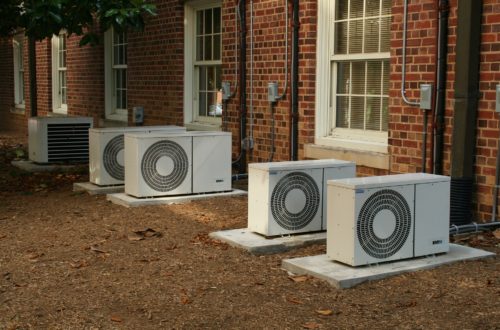
Detecting and diagnosing issues in building systems, like HVAC units, prevents energy waste and extends equipment lifespan. Smart sensors and monitoring can catch problems early, from dirty filters to failing components, reducing wasted energy.
Problems can be gradual or sudden and impact both individual equipment and overall building performance. Regular checks and maintenance ensure systems accurately reflect conditions, helping homeowners save energy and money and avoid unnecessary repairs.
Green roofs help retain heat within buildings during the colder months by adding an extra layer of insulation. This means that HVAC systems don’t need to exert as much effort to keep the space warm, which lessens the demand for excessive heating. Additionally, this insulation stops heat from escaping through the roof, which is a major source of energy loss in conventional buildings.
Wasted Water and Unmanaged Runoff
Even minor water waste can have a surprisingly large environmental footprint. Leaky faucets and pipes alone can waste more than 20 gallons a day, adding up to hundreds of gallons over time. Inefficient appliances, such as old washing machines or toilets, increase water use and energy consumption.
Luckily, minor adjustments can make a big difference. Fix leaks promptly, install low-flow fixtures and upgrade to water-efficient appliances. Like other minor errors in building or maintenance, these small corrections can prevent wasted resources, save money and reduce the environmental impact of engineering mistakes.
The most serious drainage mistake homeowners make is allowing water to pool near the foundation. Experts warn that unmanaged runoff can slowly damage a home’s foundation, especially in areas with clay soil. When clay soil absorbs and loses moisture, it expands and contracts, exerting pressure on the foundation.
This can cause cracks, sticking doors and windows, gaps in brickwork, and, in severe cases, significant structural movement. Repairs can range from a few thousand dollars to tens of thousands, yet many issues are preventable with smart engineering. Proper grading, clear gutters and downspouts that direct water well away from the house are essential. In high-rainfall areas, adding French or surface drains can further reduce erosion and runoff. Simple, proactive drainage fixes protect your foundation and help you avoid costly future damage.
Easy Fixes for Precise, Sustainable Projects
Minor engineering errors in home projects can result in significant environmental costs. Simple steps, such as checking insulation, managing drainage and selecting the proper fasteners, make a substantial difference. Fixing leaks and using water efficiently helps reduce waste and lower energy consumption. Green solutions, such as green roofs or low-flow fixtures, improve efficiency and comfort. Being proactive saves money, time and resources. Ultimately, careful planning and attention to detail safeguard both your home and the planet.
Jack Shaw is the senior Outdoors writer for Modded, a men’s lifestyle publication. An avid outdoorsman and lover of nature, he’ll often find himself taking retreats out to explore his environment and encourages others to do the same in ways that are sustainable and beneficial to the environment.
Image by Ichigo121212