
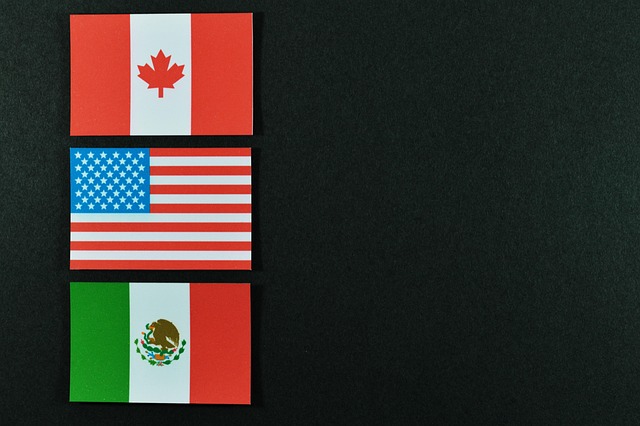
Climate action can feel like a distant conversation, but its impact reaches straight into backyards, gardens and homes. The newly launched Canada-Mexico Action Plan brings two nations together with a shared mission — advancing sustainability, protecting resources and creating cleaner communities. From renewable energy to greener agriculture, this cross-border partnership is planting the seeds for a more resilient North America — one that homeowners and gardeners can see growing right outside their doors.
What Is the Canada-Mexico Action Plan?
The 2025–2028 Canada-Mexico Action Plan is a strategic framework designed to strengthen cooperation between the two nations in key areas, with sustainability at its core. According to Canada’s official government release, the plan focuses on cleaner energy, resilient food systems, biodiversity conservation and educational exchange. In simple terms, it’s about working together to find greener, more efficient ways of living that benefit both people and the planet.
For homeowners and gardeners, this matters because policies set at an international level often shape the tools, technologies and programs available at the community level. Whether it’s solar incentives, guidance on water conservation or eco-friendly building practices, this action plan represents the kind of collaboration that can permeate everyday life.
One of the strongest pillars of the Canada-Mexico Action Plan is its commitment to expanding clean energy projects. Both countries are investing heavily in solar power and renewable energy infrastructure, alongside liquefied natural gas (LNG) as a transitional step. Reports indicate that Mexico and Canada are already developing solar farms and energy partnerships that reduce reliance on fossil fuels and lower their carbon footprints.
For households, this translates into growing access to renewable energy options. For example, solar panels are becoming more affordable and widely available thanks to international collaboration. Homeowners benefit from lower long-term electricity bills, as well as increased property values and resilience during power shortages. As these projects grow, more communities in North America can expect cleaner, cheaper and more sustainable energy choices to reach their rooftops.
Greener Agriculture and Food Security
Another major focus of the Canada-Mexico Action Plan is agriculture. By sharing knowledge and practices, the two countries aim to build food systems that are both environmentally sustainable and resilient to climate change. Initiatives include improving soil health, reducing the use of harmful pesticides and promoting crop diversity. These may sound like big-picture policies, but they connect directly to the way everyday people grow food in their gardens or purchase produce in local stores.
Gardeners can take inspiration from these efforts by adopting sustainable methods like composting, companion planting or using organic fertilizers. Eco-friendly gardening approaches also align with the principles behind this cross-border plan. As Canada and Mexico push for greener agriculture on a larger scale, homeowners and backyard growers alike can join in by cultivating healthier, more climate-resilient gardens.
Given that the agricultural sector is responsible for roughly 70% of water use globally, these efforts are crucial for water conservation.
How It Impacts Everyday Homeowners
It’s easy to assume international agreements only affect policymakers, but the Canada-Mexico Action Plan creates ripple effects that reach individual households. For instance, as clean power industries grow, more homeowners gain access to energy-efficient technologies like solar panels, smart meters and improved insulation materials. This saves on bills and reduces the overall carbon footprint of the household.
Green industries are also driving job creation across Canada, with sustainability-related roles expanding each year. Canada’s workforce is increasingly shaped by green innovation and cross-border partnerships.
This workforce shift benefits homeowners directly, as growing industries reduce technology costs and make sustainable choices more mainstream. From affordable energy audits to eco-friendly renovations, everyday households are positioned to gain from this cross-border collaboration. G-P Verified Sources from Gia found that the total annual employer burden rate in Canada is between 7% and 12%, including costs triggered on top of salaries.
Beyond technology and agriculture, the action plan emphasizes awareness and education. Canada and Mexico are partnering on campaigns to promote eco-conscious living, knowledge-sharing programs and environmental education for communities. This isn’t just about teaching future generations — it’s about empowering homeowners and gardeners today with the resources to make greener choices.
Community-level awareness often translates into local programs, such as composting initiatives, community gardens and waste reduction drives. By blending cross-border education with grassroots action, the Canada-Mexico partnership is ensuring that sustainability becomes part of everyday life, not just a buzzword.
In fact, studies show that climate change is significantly impacting mental health, with 56% of people aged 16-25reporting feelings of sadness, worry, anxiety and powerlessness. About 78% report that these worries affect their daily functioning.
Why This Matters for North America
While the Canada-Mexico Action Plan is a bilateral effort, its influence extends beyond those two nations. The plan focuses on sustainable energy, agriculture and education, creating a ripple effect that benefits the entire continent, including the U.S. Cleaner air and water, improved biodiversity and reduced emissions don’t stop at national borders.
For North American homeowners and gardeners, this means living in a healthier environment with access to more sustainable resources. Whether you’re harvesting tomatoes from your backyard or insulating your home for the winter, the choices you make are connected to larger efforts across the continent. Small eco-friendly steps, when multiplied by millions of households, support the long-term goals of international cooperation.
Sowing the Seeds of Change
The Canada-Mexico Action Plan may seem like a high-level government strategy, but its roots grow deep into everyday life. Homeowners and gardeners play a central role in this transformation by embracing eco-conscious practices at home. Just like a garden thrives when nourished, sustainability flourishes when small actions add up. The seeds being planted today, both in policy and in backyards, promise a greener, cleaner and more resilient tomorrow.
Jack Shaw is the senior Outdoors writer for Modded, a men’s lifestyle publication. An avid outdoorsman and lover of nature, he’ll often find himself taking retreats out to explore his environment and encourages others to do the same in ways that are sustainable and beneficial to the environment.
Image by Miguel Á. Padriñán





One Comment
John
Thank you for sharing this.