
The dairy aisle has transformed in recent years. Instead of a shelf dedicated to cows’ milk, the coolers now share space with a diverse range of plant-based alternatives competing for attention.
Many people are prioritizing wellness and environmental sustainability. If you are looking to take this commitment further, making plant milk at home offers additional advantages. Consider these 10 alternatives you can make yourself that are good for you and the planet.
Benefits of DIYing Your Dairy
Making dairy substitutes at home allows you to control what goes into your milk, cutting out potential preservatives and stabilizers that manufacturers add to address processing challenges like separation and texture stability. You can also avoid the packaging that store-bought options require, opting to buy individual ingredients rather than the processed, branded products.
The plant-based beverage market is expanding at a 14.3% compound annual growth rate, reflecting a broader cultural change as consumers focus on their health and the environment. People who focus on a plant-based diet can reduce their carbon footprint by 1.5 to 2.1 tons since raising crops produces less greenhouse gases than cattle.
Common Milks to Make at Home
Making plant milk at home is a surprisingly simple way to take control of what you consume. Consider these plant-based options, ranging from traditional almond to less common varieties.
1. Almond
This popular option has a light texture with a sweet, nutty flavor that is perfect in beverages or baking. Soak 1 cup of raw almonds for up to two days. Then, blend with 2 cups of water for two minutes and strain through a cheesecloth. Get creative with your leftovers and use them in new recipes to reduce your food waste. You can dry the leftover pulp in a low oven to make almond flour.
2. Cashew
Cashews are rich and creamy with a subtle nutty flavor. Soak 1 cup of cashews for up to two hours and blend with 3-4 cups of water. There is no need to strain the milk since cashews blend down completely. It works well in soups and sauces.
3. Hazelnut
Whole hazelnuts have a sweet, nutty taste. They create the ultimate vitamin-rich alternative when they are roasted, soaked and blended. Use the milk in cooking, baking or as a beverage.
4. Chia Seed
Chia seeds have a mild, earthy flavor that is similar to almond milk. There is no need to strain them. Simply combine ¼ cup of chia seeds with 3 cups of water and let it thicken overnight.
5. Flax
Flax milk is creamy and slightly nutty-tasting. It’s packed with omega-3s, which may help improve your nervous systemand ease anxiety. Blend 3 tablespoons of flaxseeds with 3 cups of water and strain. You can use the leftover pulp in smoothies or oatmeal for extra fiber.
6. Hemp
Hemp is a thin, slightly sweet and earthy alternative that contains all essential amino acids. It’s a great option for people with tree nut allergies and is naturally lactose, soy and gluten-free.
7. Oat
Oat milk is naturally sweet and can add creaminess to coffee or cereal. It is also an environmentally friendly option. It only releases 0.9 kilograms of greenhouse gas emissions per liter, as opposed to 3.15 kilograms released during dairy milk production.
8. Soy
Soy milk is fortified with nutrients that make it rich in calcium and has a mild and creamy flavor. Soak 10 ounces of dried soybeans overnight, boil in 12 cups of water for 10 minutes and strain. The boiling step is essential for proper flavor and digestibility.
9. Chickpea
Chickpea milk has a smooth, rich texture with a mild nutty taste. It is known for its versatile application as a dairy alternative in cappuccino, coffee, cereal, smoothies and baking. It has a rich texture and creaminess that makes it ideal for various recipes.
10. Coconut
Coconut milk is thick, creamy and naturally sweet. It’s made by scraping or grating coconut flesh and then straining it to extract the liquid. You can dry the leftover pulp to use as toppings or in baking.
Homemade plant milk only lasts for about five days in the refrigerator since it has no preservatives. It’s also prone to separation, so always shake before using.
When to Buy Instead of DIY
While most plant milks are easy to make at home, others require industrial processing techniques that are impossible to replicate in the kitchen. Leave these three to the pros.
Potato Milk
This alternative has a thick texture and creamy flavor, and it requires industrial emulsification and homogenization. The starches also need special processing to create a palatable beverage that does not separate.
Pea Milk
Pea milk is slightly sweet. It requires using protein isolation equipment that’s not usually home-accessible to purify the fiber and starches. This gives it the neutral flavor and smooth texture found in stores.
Pistachio Milk
This sweet and nutty milk requires specialized equipment for proper emulsification due to pistachios’ unique fat content. This prevents separation and bitterness.
Making It Yourself
Are you ready to dive into the world of pant-based milk? Start with oat or cashew milk, which are easy and forgiving for beginners. As you gain confidence, explore the various sweeteners and flavors you can add to improve the taste. Each batch you make eliminates waste and keeps unnecessary additives out of your diet, while also reducing your environmental impact.
It’s easy to feel anxious about the state of the world today. Take comfort in knowing that even small, intentional actions, like making your own milk, can add up to meaningful change. It’s not just about what you’re avoiding, but what you’re creating. This simple shift in mindset can spark lasting lifestyle changes. Anyone can have a healthier habit, a lighter footprint and a closer connection to their food. The more you experiment, the more you’ll discover how rewarding and empowering the process.
Mia Barnes is a health and lifestyle writer with a passion for sustainable wellness and eco-friendly living. Mia is the Editor-in-Chief of Body+Mind magazine with over 5 years of experience in freelance writing.
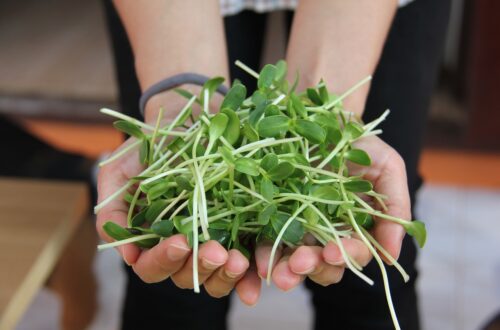
Image by Dee