Every householder and garden enthusiast uses products that help maintain clean homes and flourishing gardens — but some of these common items pose hidden risks. Known as household hazardous waste (HHW), these materials can threaten health and the environment if not handled properly.
Understanding how to manage hazardous waste is essential for protecting your family and pets. It’s also vital for preventing contamination of soils, groundwater and local ecosystems.
What Is Household Hazardous Waste?
HHW includes common products that are flammable, corrosive, reactive or toxic, and which require special attention for handling or disposal. For example:
- Paints and solvents
- Bleach and acid-based cleaners
- Pool chemicals
- Used motor oil
- Batteries, including lithium-ion
- Pesticides and herbicides
- Glues
- Nail polish remover
- Fluorescent lights
- Thermometers containing mercury
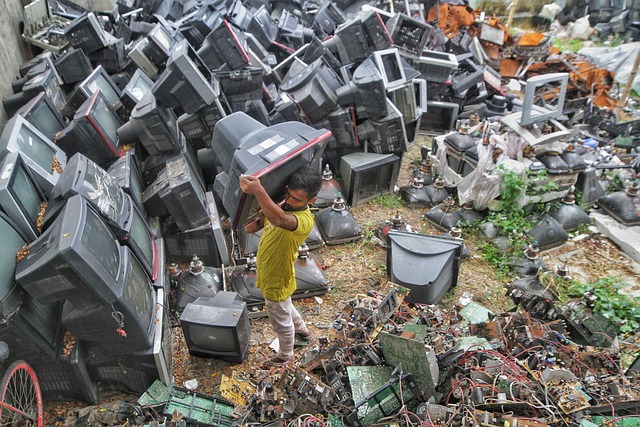
- Electronic devices
These items are dangerous because of their chemical properties. If placed in regular trash or poured down drains, they may ignite, release harmful fumes, corrode plumbing systems or leach into soil and water. If they enter local water systems, they could contaminate drinking water or harm wildlife. Even small amounts can accumulate over time.
Additionally, sanitation workers are at risk of injury or chemical exposure if HHW items enter the regular trash stream. A Texas worker was recently hospitalized after a householder improperly disposed of muriatic acid in their household garbage. When compacted, this container released dangerous fumes.
What Are the Regulations on Hazardous Waste?
In the U.S., the EPA defines household hazardous waste and it provides guidance on how households should manage it. However, actual disposal rules vary by state and locality.
States have the authority to create their own HHW programs that are more stringent or broader in scope than the federal rules. For instance, most states allow the disposal of pesticides at universal waste collection sites, but California, Washington and Maine do not. Florida and Michigan have added pharmaceuticals like unused or expired medicines to their universal waste program, giving residents there a safer way to dispose of these items, but other states have not.
This is why it’s essential to be aware of your local regulations. If you are unsure, consult your municipality’s website or contact your environmental health office.
Easing the Burden of Household Hazardous Waste
While the regulations can be complex, there are some simple ways to address HHW issues safely without jumping through hoops.
For a start, you can minimize your purchase of HHW items by buying only as much as you need, when you need it. When possible, opt for non-toxic or biodegradable alternatives, such as white vinegar or lemon juice for cleaning, water-based paints or organic garden treatments.
Some neighborhoods organize community options with group purchasing. By sharing products like pest treatments or solvents, the group saves money, reduces waste and limits the disposal burden.
When you do buy HHW products, try to use up whatever you have left — for example, finish leftover paint by using it for touch-up jobs. You can also offer unopened items to neighbors or gardening groups, or donate useful items to charity and local good causes. Many hardware stores accept used oil, batteries or paint through take-back schemes.
Plan your projects with disposal in mind. Use a calendar or checklist to make sure you use up HHW items before expiration. This reduces waste and the need for disposal.
Until you can dispose of hazardous materials, store items in their original containers with labels intact. Keep them out of reach of children and pets and never store them near food or heat sources. This helps prevent accidental spills, poisoning or dangerous reactions.
When you do need to dispose of products, check your options. Many regions offer free HHW collection days or permanent drop-off centers where you can safely dispose of paints, batteries and oils. Staff there will handle the unloading, ensuring that items are safely segregated. These events may require pre-registration. Bring proof of residency and pack items in a sturdy box for easy unloading.
After your drop-off or collection, trained staff sort and package the materials. The U.S. Department of Transportation groups hazardous materials into categories for safe transport. These rules ensure that dangerous waste is handled in a way that protects people and the environment at every step, from your home to the final treatment facility.
Some items, like batteries, are sent to specialized recycling facilities where they are shredded to retrieve black mass— the parts that can be made into new battery cathodes and anodes. Others, such as chemicals and paints, are treated or incinerated at licensed hazardous waste plants to neutralize their harmful effects.
Not everyone can easily reach a drop-off site. If you have mobility or transportation challenges, this can be a concern. In this case, check if your local government offers curbside HHW pickup or mobile collection events.
Some areas partner with community organizations to help residents who are elderly or have limited transportation. Never just leave HHW outside or in public spaces — reach out to find the safe, approved option that’s right for your circumstances.
Safeguard Your Home, Protect Your Planet
By understanding the risks of hazardous waste and following local regulations, you play an essential role in protecting not only your own home and family but the wider community and environment too. Every responsible step counts.
Jack Shaw is the senior Outdoors writer for Modded, a men’s lifestyle publication. An avid outdoorsman and lover of nature, he’ll often find himself taking retreats out to explore his environment and encourages others to do the same in ways that are sustainable and beneficial to the environment.