Artificial intelligence can offer tools to protect natural resources. However, powering massive computing systems requires a large environmental footprint. Balancing high-tech ecological protection with the heavy resource consumption of these networks can be a dilemma. Before committing to the use of AI, it’s vital to consider its hidden energy costs. The Electricity Threat of Data Center Expansion Behind every digital assistant and image generator are invisible machines at work. Everyday tasks feel weightless because they happen instantly online. However, the physical reality is that large, land-hungry data centers draw huge amounts of power from the electrical grid. Giant server warehouses are consuming around 1.5% of global electricity. In some places, the share…
-
-
The Surprisingly Complex Laws Around Rainwater Collection
Collecting rainwater is not illegal or a federal crime. Rainwater collection laws vary because of state water-rights doctrines, not federal environmental rules. Understanding prior appropriation and riparian rights makes the patchwork of state laws much easier to navigate. Who Owns the Rain? Water rights in the U.S. developed differently across regions, depending on climate and settlement patterns. These doctrines shape how states regulate rainwater collection: States With Strict Limits Prior appropriation states tend to impose tight restrictions. For example, Colorado caps rainwater collection at two barrels totaling 110 gallons for outdoor use only. The state’s complicated water rights system means that rainwater running off your roof is already claimed by someone downstream.…
-
5 Sustainable Remedies for Seasonal Eye Allergies
Eye discomfort such as irritation, dryness and fatigue is an everyday occurrence for many people. However, you can alleviate discomfort by changing your immediate environment. Many factors can cause Dry Eye Syndrome, from air quality to digital screens. Learn actionable environmental solutions to protect your vision. Why Are My Eyes Always Dry? Dry eye is a medical condition where there isn’t enough lubrication for your eyes. Several environmental factors often cause it. First is air quality. Around 80% of Americans live in densely populated urban areas with little to no access to clean air. Outdoor smog and indoor pollutants, such as those from paint and cleaners, can disrupt the eye’s tear film…
-
Ecophobia vs Eco-Perfectionism: Examples and How To Overcome Both in Favor of the Environment
The climate crisis takes an emotional toll. Feelings of anxiety, grief and guilt are common and valid. However, the very people who care the most about environmental issues are often the most susceptible to becoming overwhelmed. Many experience ecophobia and eco-perfectionism. While fear drives one and shame fuels the other, both lead to inaction. Ecophobia and Examples of Climate Anxiety Ecophobia is the paralysis of fear. It’s the overwhelming sense of dread that makes you want to shut down, look away and avoid the topic altogether because it feels too big to handle. Despite its name, it’s not an irrational phobia but a rational response to a real threat. Here…
-
The Benefits of Energy-Efficient Home Maintenance Practices
Energy-efficient home maintenance projects are one of the smartest investments a homeowner can make. They go beyond lowering monthly utility bills and touch nearly every aspect of how a home functions, feels and holds its value over time. While energy efficiency is often associated with extensive renovations or new construction, ongoing maintenance projects can deliver equally meaningful results with far less cost and disruption. When approached strategically, these projects improve comfort, reduce environmental impact and protect your home’s long-term performance. Most importantly, they help future-proof your property in a world where energy costs and sustainability expectations continue to rise. 1. Lower Energy Bills and Long-Term Cost Savings One of the…
-
How the Meat Industry Can Cut Back on Its Greenhouse Gas Emissions
Meat is a dietary essential for millions, but its production has a significant impact on the planet. Fortunately, creating a more sustainable industry — from the farm to the supply chain — is possible through innovation and a return to ecological principles. Many practical and effective strategies are already being used to lower emissions. Some focus on land management, while others center on animal genetics and supply chain logistics. The Challenge of Growing Global Demand The consumption of eggs, poultry, pork, beef and other livestock is projected to double between 2000 and 2050, going up to around 557 million metric tons. If current production methods remain unchanged, the increasing demand can…
-
Chemical vs Natural Toothpaste: The Impact on Your Health and the Environment, According to Science
Toothpaste is one of the most routine products people use every day. Despite its familiarity, few people stop to think about what’s inside the tube or how it affects their personal health and the environment. The debate between chemical and natural toothpastes has intensified as consumers become increasingly aware of the ingredients. What Is the Difference Between Chemical and Natural Toothpaste? Chemical toothpaste generally refers to conventional formulas made with synthetic or laboratory-produced ingredients. These products commonly include fluoride, sodium lauryl sulfate, artificial flavorings, preservatives and whitening agents designed to maximize cavity prevention and shelf stability. Natural toothpaste typically avoids synthetic detergents, artificial dyes and strong preservatives. Instead, it relies…
-
The Major Environmental Cost of Minor Inaccuracies in Engineering
Seemingly minor errors can significantly impact energy consumption and harm the environment. A slight misalignment or an incorrect measurement can have a cascading effect on an entire project. These mistakes require additional work and materials, often resulting in increased emissions. Learn how to avoid the primary environmental consequences of engineering inaccuracies with practical solutions. Heightened Resource Use Reuse, repair and refurbishment can reduce environmental impacts by keeping materials in use longer and avoiding the emissions associated with producing new goods. Reuse that requires minimal repair or alteration provides substantial benefits compared to recycling, which often involves material loss and degradation in quality. Reuse significantly benefits the environment by reducing waste and lowering…
-
7 Kitchen Scraps You Can Safely Compost
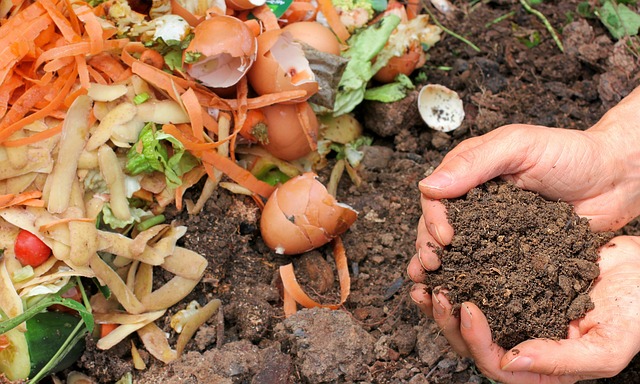
In your endeavors to reduce, reuse and recycle, eco-friendly practices to help the earth are always top of mind. But what about food waste? You might actually be throwing away dozens of scraps that could be reused to supercharge your soil. With the right know-how, you can turn everyday kitchen waste into nutrient-rich compost and shrink your household trash at the same time. Here are the unexpectedly compost-friendly items you can start saving today. Why Composting Kitchen Scraps Matters Composting kitchen scraps is one of the simplest ways to shrink your household waste while giving back to the planet. In fact, Americans waste 30% to 40% of the nation’s food production each…
-
What the Canada-Mexico Action Plan Means for Sustainability in North America
Climate action can feel like a distant conversation, but its impact reaches straight into backyards, gardens and homes. The newly launched Canada-Mexico Action Plan brings two nations together with a shared mission — advancing sustainability, protecting resources and creating cleaner communities. From renewable energy to greener agriculture, this cross-border partnership is planting the seeds for a more resilient North America — one that homeowners and gardeners can see growing right outside their doors. What Is the Canada-Mexico Action Plan? The 2025–2028 Canada-Mexico Action Plan is a strategic framework designed to strengthen cooperation between the two nations in key areas, with sustainability at its core. According to Canada’s official government release,…