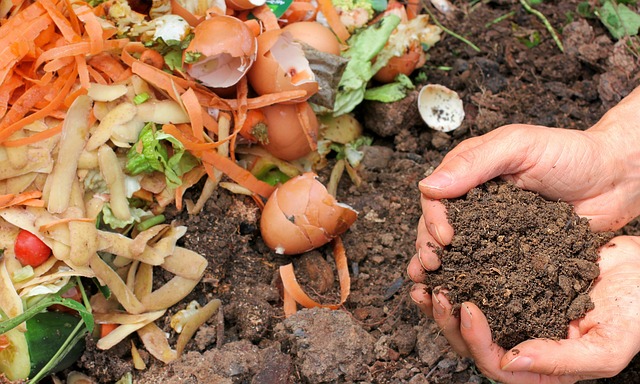
In your endeavors to reduce, reuse and recycle, eco-friendly practices to help the earth are always top of mind. But what about food waste? You might actually be throwing away dozens of scraps that could be reused to supercharge your soil. With the right know-how, you can turn everyday kitchen waste into nutrient-rich compost and shrink your household trash at the same time. Here are the unexpectedly compost-friendly items you can start saving today.
Why Composting Kitchen Scraps Matters
Composting kitchen scraps is one of the simplest ways to shrink your household waste while giving back to the planet. In fact, Americans waste 30% to 40% of the nation’s food production each year. When food scraps end up in landfills, they decompose without oxygen and release methane, a greenhouse gas that is far more potent than carbon dioxide. By composting at home, you help reduce these emissions and boost soil health simultaneously.
7 Surprising Kitchen Scraps You Can Safely Compost
Discover these under-the-radar items you can start tossing into your compost bin today. Each one offers unique benefits, breaks down safely and helps you reduce how much trash you produce for a more sustainable lifestyle.
1. Eggshells
Eggshells are a surprisingly powerful compost booster because they contain many beneficial nutrients, including calcium, magnesium and keratins. Their high calcium content helps moderate soil acidity, allowing plants to build strong cell walls. As a bonus, adding crushed eggshells to your garden soil can also help deter pests like snails, slugs and cutworms. Crush the shells so they break down faster and blend evenly into your soil.
2. Coffee Grounds
Your morning brew leaves behind nitrogen-rich grounds that plants absolutely love. Coffee grounds help improve soil structure, support beneficial microbes and even deter some pests when sprinkled around garden beds. Just avoid dumping large amounts at once, as an excess of grounds can compact into a dense layer. Mix them thoroughly with browns like dry leaves or cardboard for the best results.
3. Tea Bags — If They’re Plastic-Free
Tea bags are compostable only if they’re made from natural fibers, such as hemp, paper or cornstarch. Many mainstream brands still use polypropylene, which takes longer than 30 years to break down. If you’re unsure, tear open the bag. If there’s a thin plastic-like mesh, remove the tea leaves and discard the bag.
Studies have found that some plastic tea bags can release billions of microplastic particles when steeped, making it even more important to compost only those that are fully biodegradable.
4. Stale Bread and Plain Grains
Dry, stale bread and cooked grains that have passed their prime are perfectly compostable as long as they’re plain. Skip anything seasoned, sweetened or oily. Break bread into small pieces or mix grains into the center of your compost pile so they don’t attract pests. These carb-heavy scraps add helpful bulk and moisture, especially when paired with shredded cardboard or leaves.
5. Citrus Peels
Orange, lemon and grapefruit peels are rich in nutrients and break down easily, especially when cut into smaller pieces. Add them in moderation if you’re worried about acidity and let your compost microbes do the rest.
6. Onion and Garlic Skins
Papery onion layers and garlic skins are rich in minerals and great for adding texture and airflow to dense piles. Because they decompose a bit slower than other vegetable scraps, shred or crumble them before adding if you want a faster breakdown. Just avoid throwing in whole onions as they will sprout.
7. Nut Shells
Most nut shells, such as those from peanuts, pistachios, pecans and almonds, are safe and slowly degradable compost materials. They act as natural aerators, preventing your pile from becoming too compact. Skip walnut shells, though, as they contain juglone, a compound that can harm certain plants. Crush shells lightly before adding to speed up decomposition.
How to Compost These Scraps Safely
Before you start saving every stray peel and shell, it helps to understand a few compost basics. Your compost requires a balance of “greens” that are nitrogen-rich food scraps and “browns” which are rich in carbon, such as cardboard or leaves. Keep your pile slightly moist, like a wrung-out sponge and turn it regularly to promote airflow. Avoid adding oils, cooked foods or meat, since they can attract pests.
Quick Composting Mistakes to Avoid
Even the most experienced composters encounter a few bumps. Common slip-ups include overwatering — which leads to a soggy, smelly pile — tossing in oils or cooked foods that attract pests, forgetting to add enough browns or skipping regular turning. A healthy compost heap should smell earthy, not sour, and feel springy, not soggy. When in doubt, add more browns and give it a good stir.
If you’re reading this and thinking a traditional compost pile isn’t possible in your apartment, you’re not out of options. An innovative Japanese method called Bokashi composting is perfect for small spaces. Instead of traditional decomposition, Bokashi uses a special bran inoculant to pickle and ferment your food scraps in a sealed bucket.
Bin There, Done That
Once you learn which everyday scraps belong in your compost, your kitchen becomes a powerful tool for sustainability. These often-overlooked items help balance your pile, enrich your soil and reduce what ends up in landfills.
Mia Barnes is a health and lifestyle writer with a passion for sustainable wellness and eco-friendly living. Mia is the Editor-in-Chief of Body+Mind magazine with over 5 years of experience in freelance writing.
Image by melGreenFR